HARMAN/KARDON TD470: On Slippery Road
Submitted on: 28 Feb 26
Category: Analog recorders/players
Website Rating:
Author's Description:
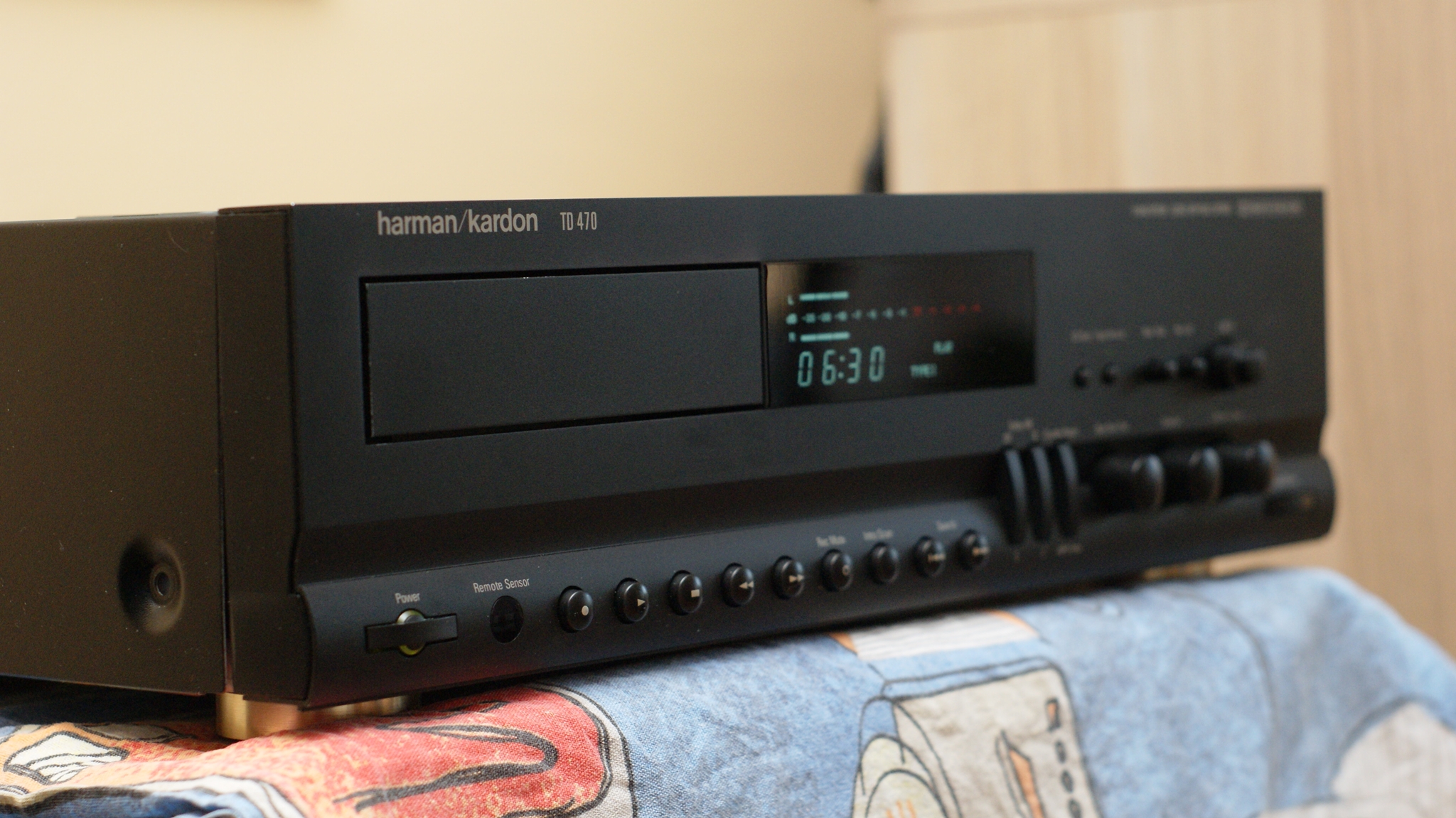
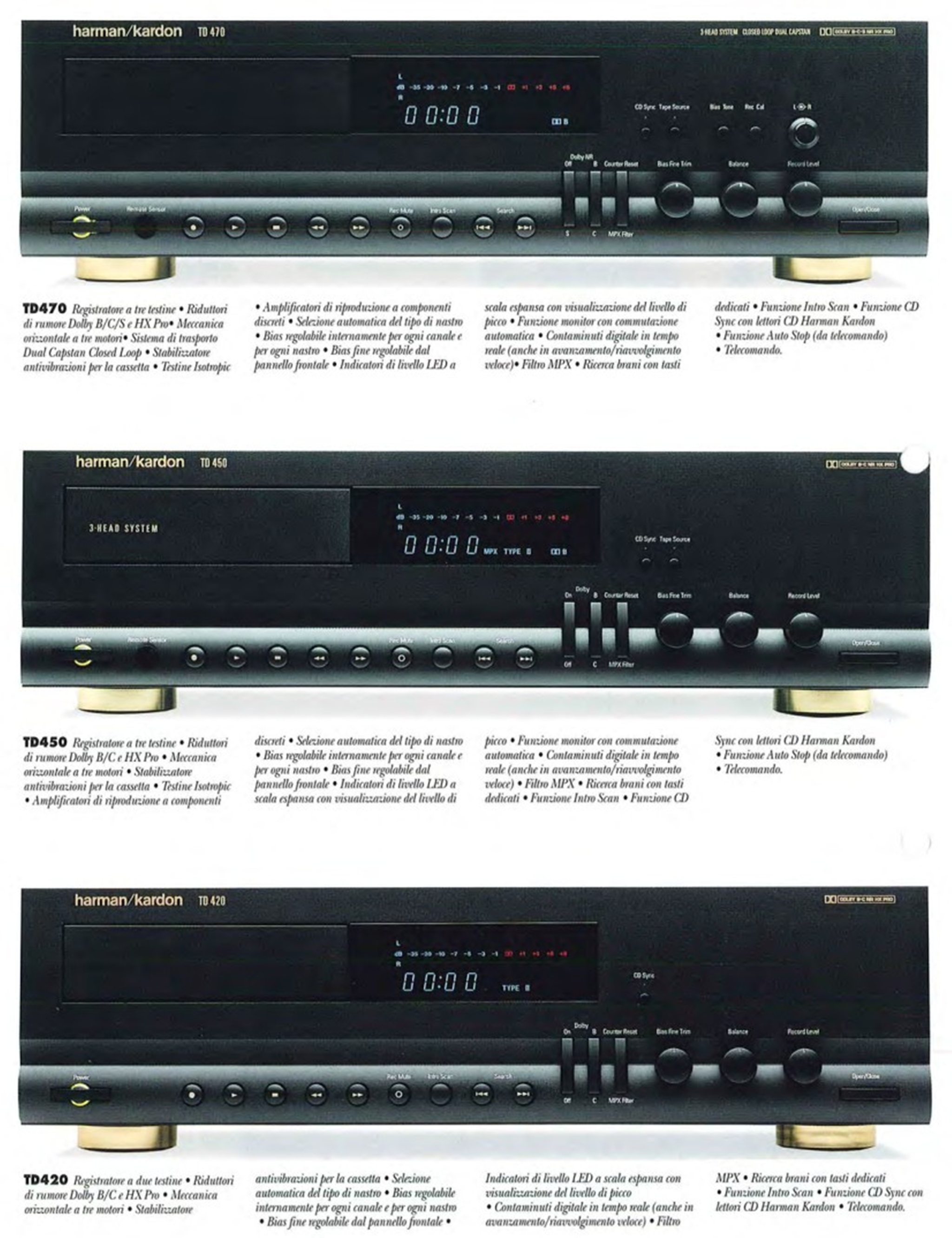
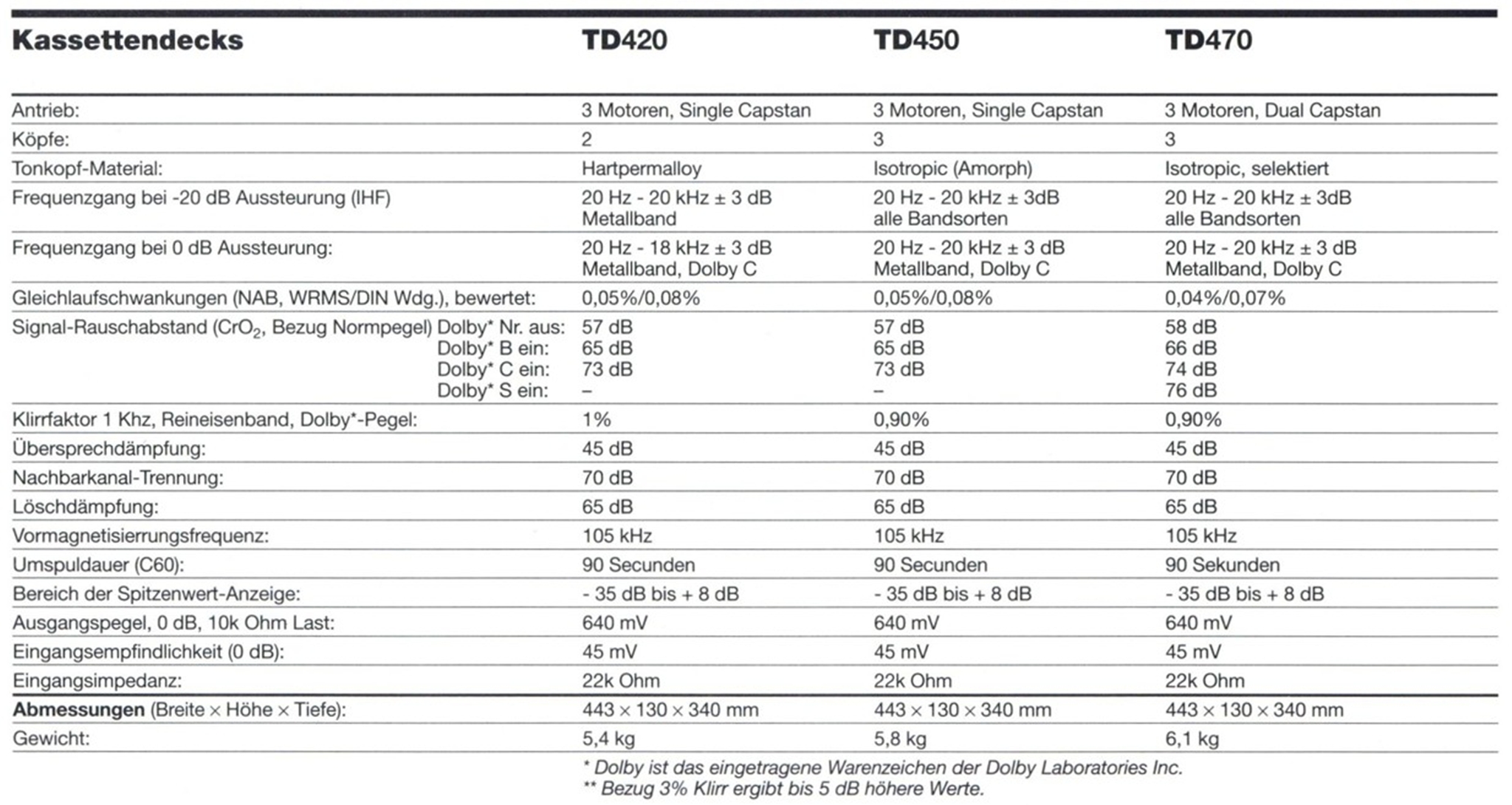
Harman/Kardon TD470 replaced the TD4800 at the top of the lineup during 1994, and new models appeared in the 1995 catalog. In the new series there were three models: the TD420 – a two-head machine, the TD450 – a three-head deck, and the TD470, also three-head but with a more advanced mechanism and electronics than the TD450, as the flagship of the range.
Harman/Kardon immediately made an effort to introduce ambiguities and confuse amateur Hi-Fi historians like myself :). Namely, to muddy this clear story, the 1996 Harman catalog shows pictures of the TD450 and TD470 that look almost completely identical, except that the TD470 features Dolby S as well as a dual-capstan closed-loop transport. According to Internet sources and images, Harman/Kardon indeed produced such a deck, and I owned one many years ago.
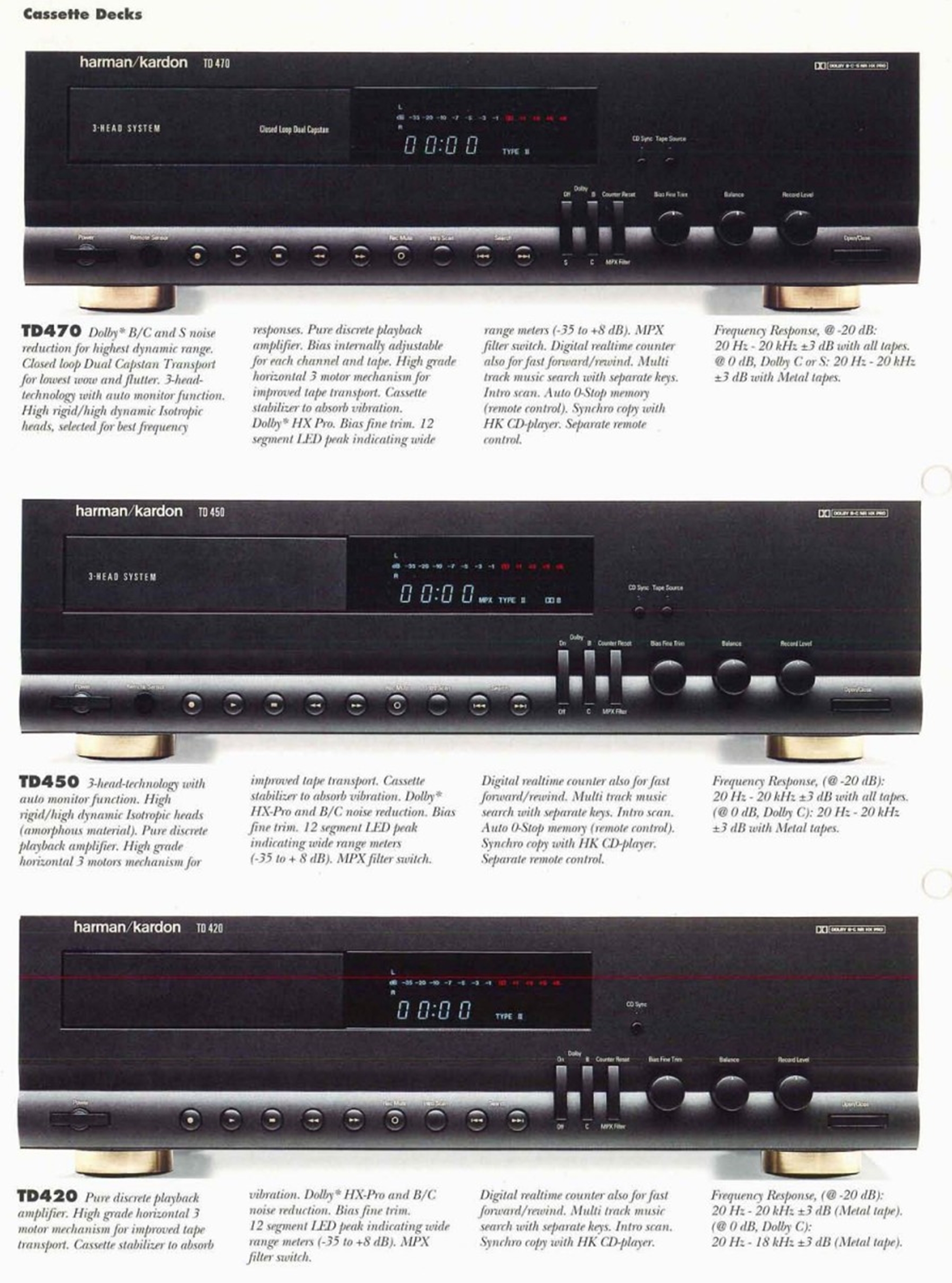
However, there was also another version that had no additional designation such as Mk2 or similar. That one featured a fully assisted system for calibrating bias and deck sensitivity to individual tapes, and a few additional buttons were added. This story is about that model.
Here is an image from an Italian catalog from 1998.
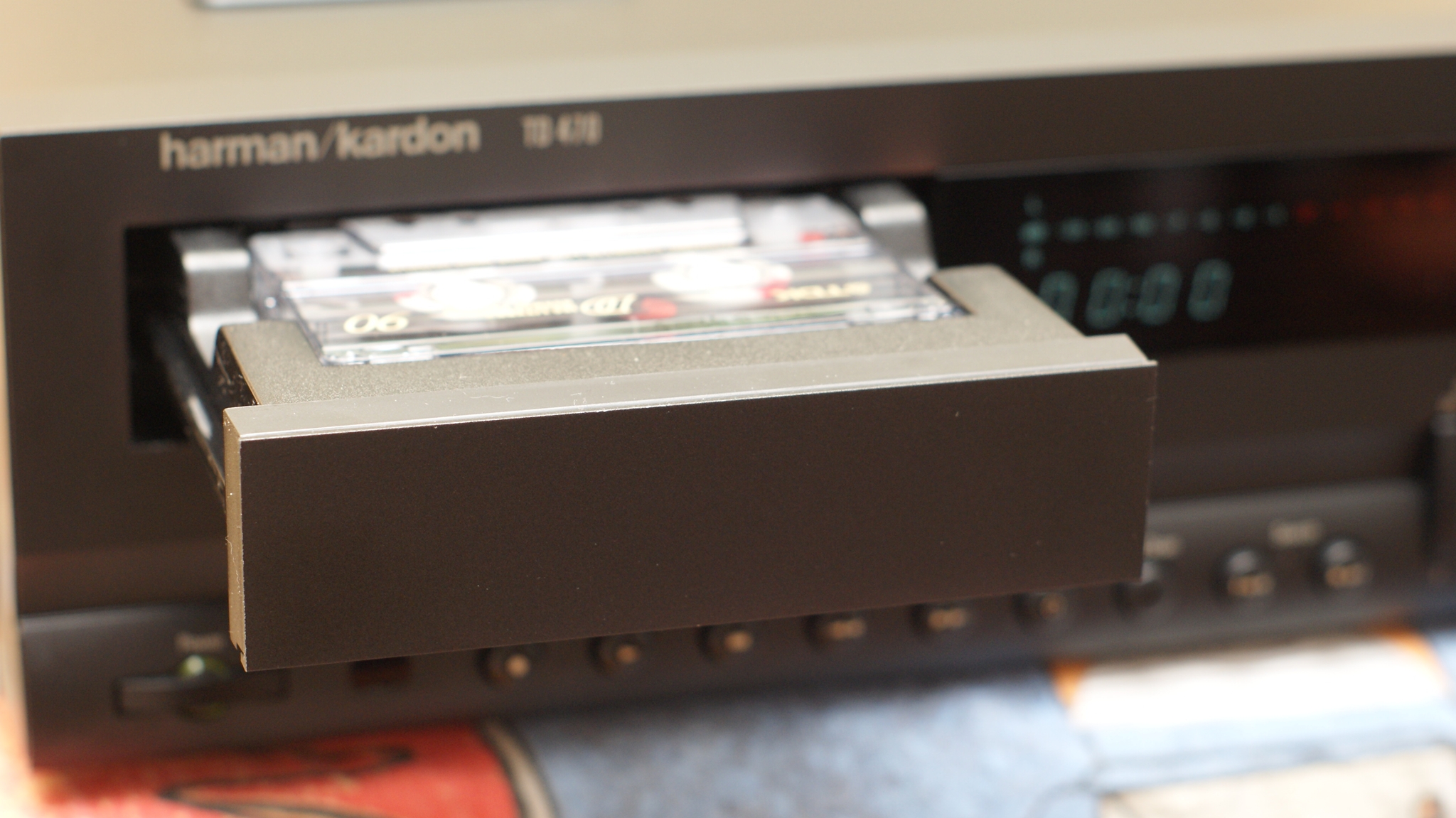
Let’s start from the beginning: the Harman/Kardon TD470 represents a major step forward in design compared to older, classically styled models, in that it resembles CD players. The reason for this is the presence of a drawer into which the cassette is placed. There were other decks of similar concept, for example the Denon DRS810 or the Grundig CF4, which I have already written about. Some older decks, such as Braun models C1…C4, the Sony TC-K88, or even Polish Unitra decks (known locally as RIZ K4010 and K4020), had drawers as well, but those included the transport itself. With the TD series, the transport remains inside the deck, and the cassette carrier slides out – as with most CD players.
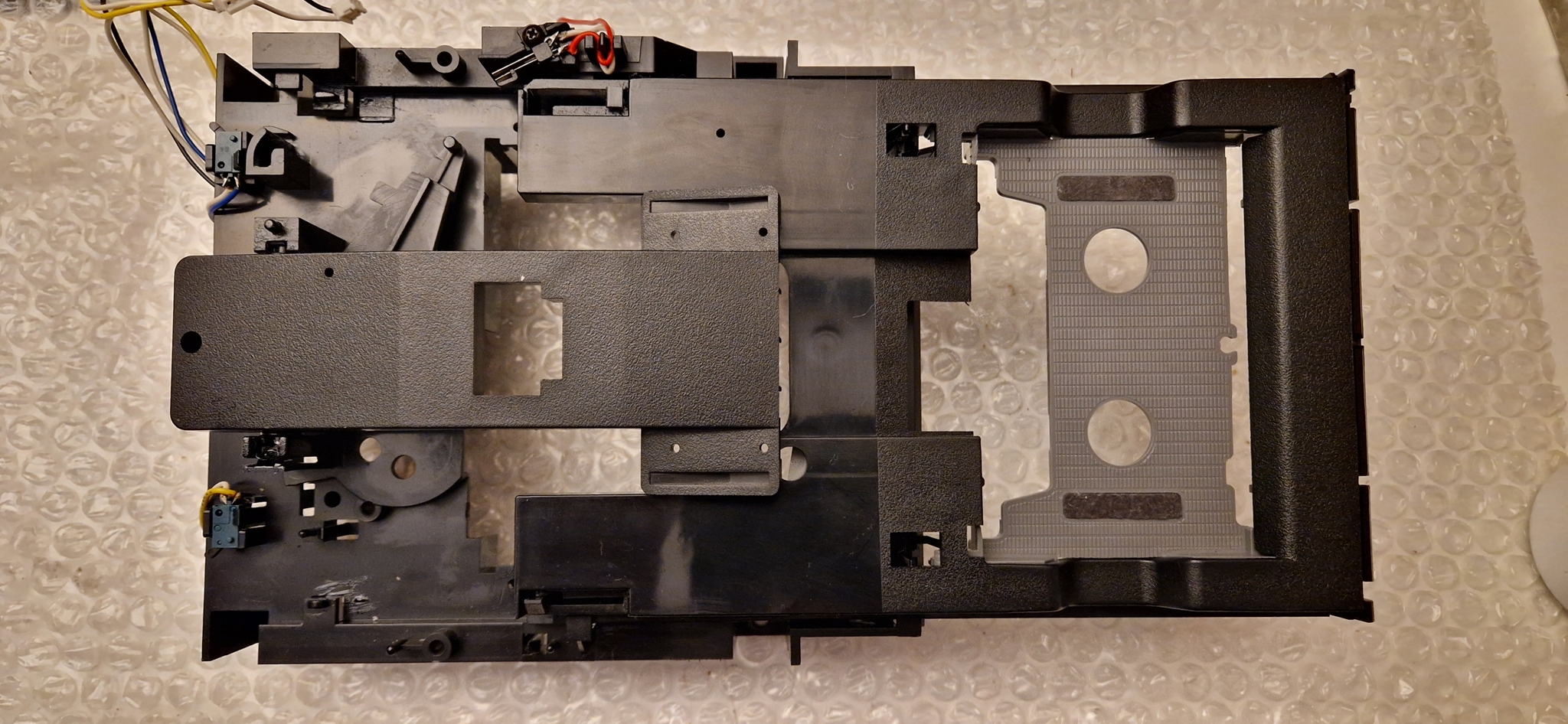
Since I am already explaining all this, I should mention that the TD470 mechanism also includes an additional cassette stabilizer that secures it in place. The mechanism itself consists of multiple parts and is not as simple as in a typical CD player; it is quite elaborate and complex. The difference compared to standard cassette carriers is not merely aesthetic, to make the deck resemble a CD player, but also functional: some manufacturers claimed that the horizontal position of the cassette is the most effective solution for minimizing wow, flutter, and modulation distortions caused by vibrations and imperfections of the cassette mechanism (remember that a cassette deck is actually a symbiosis of the cassette and the mechanism and transport that drive it). The wide lever that presses the cassette in the TD470 is designed to secure it in place and reduce vibrations. Very, very clever.
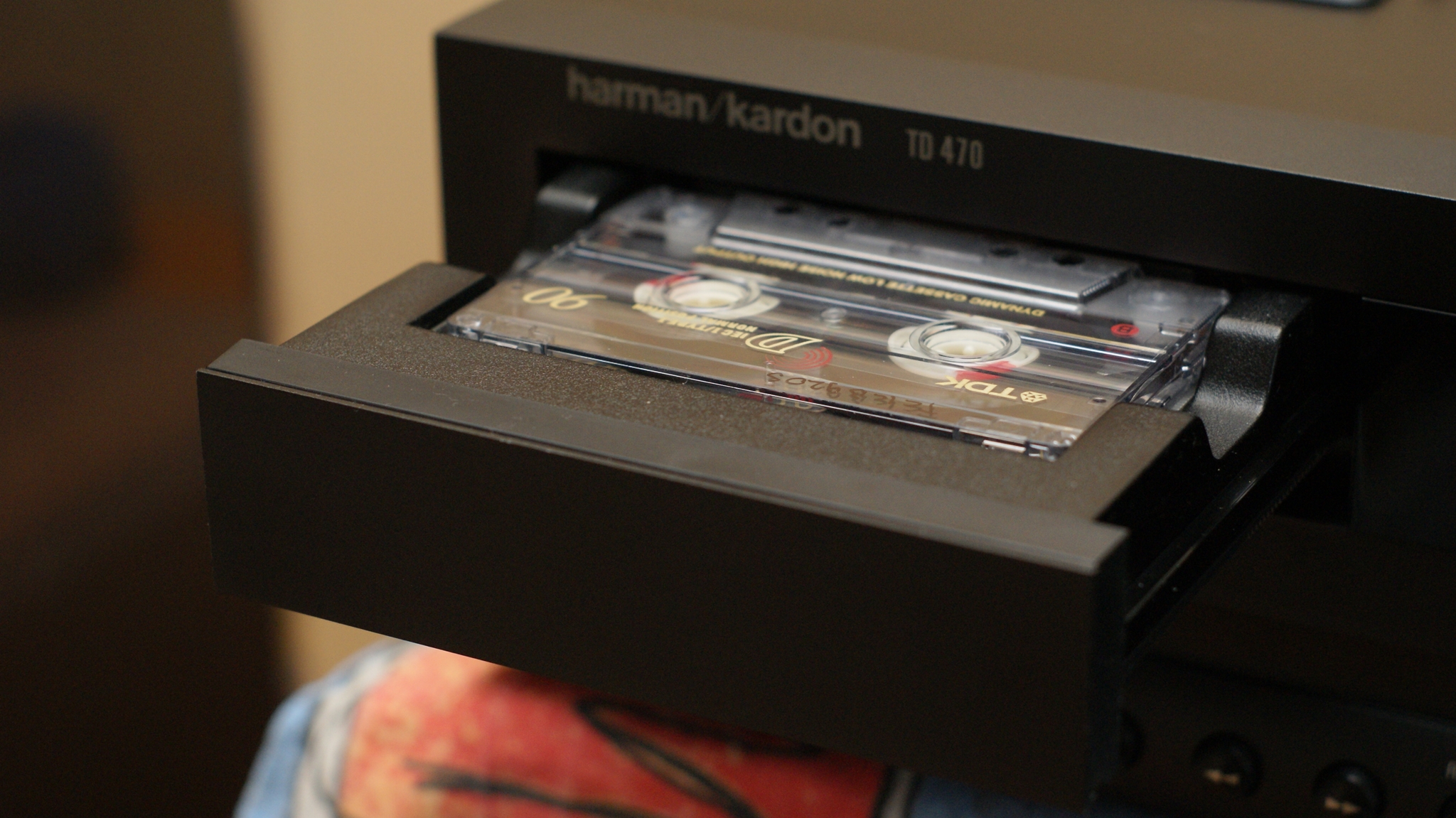
It is nice that the front panel is metal (1 mm thick sheet over a plastic base), unlike earlier models, and there is also a metal cover for the cassette holder itself, which feels quite massive. What complicates maintenance is that you cannot access the electronics from the bottom; there is no removable bottom cover on the chassis – pitty.
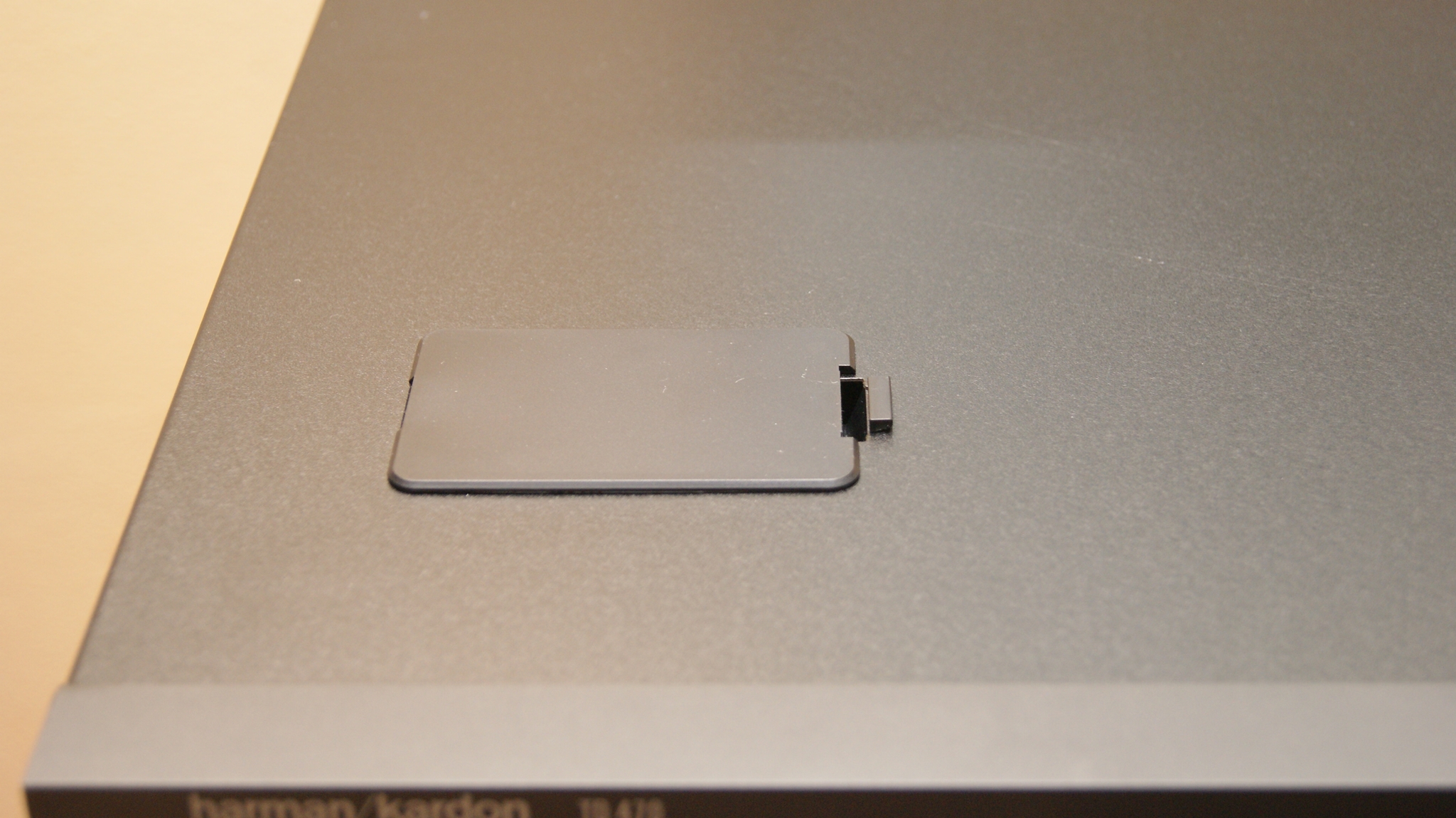
The top surface of the TD470 has a plastic cover intended for cleaning the heads, which is excellent because it allows manual cleaning, but it should have been wider and allowed access to the capstans and pinch rollers as well. Still, better something than nothing (as on the Grundig CF4).
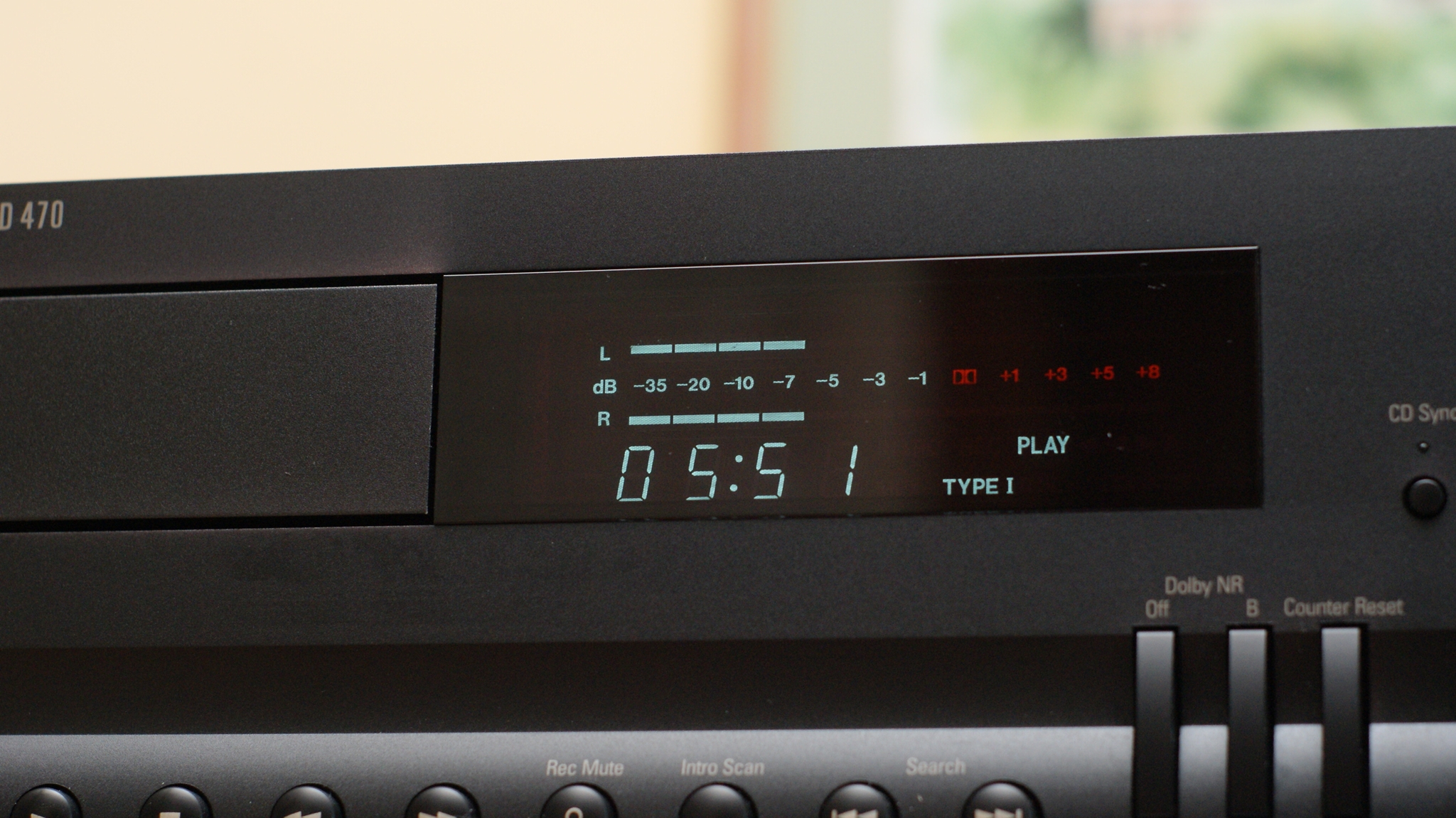
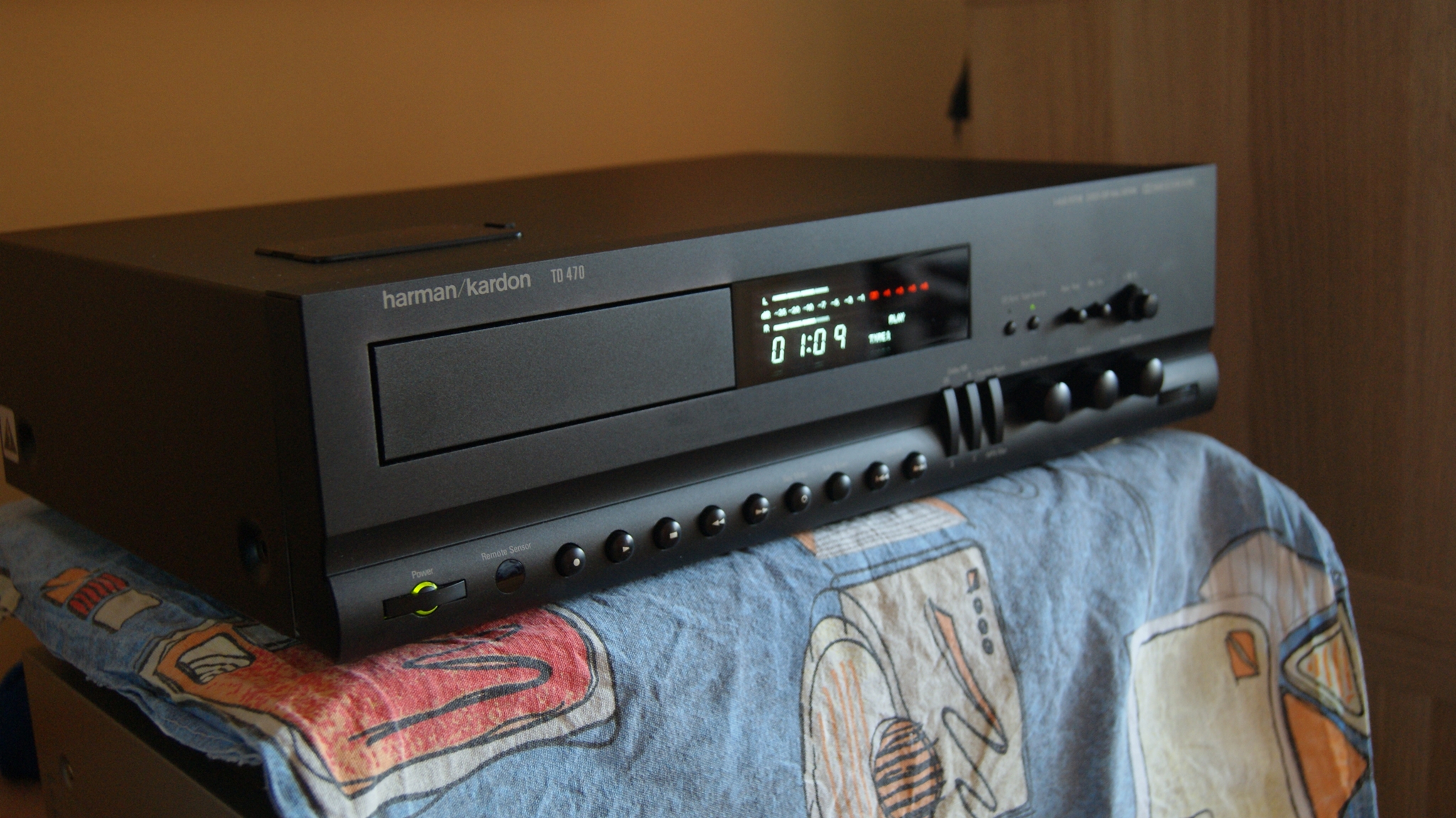
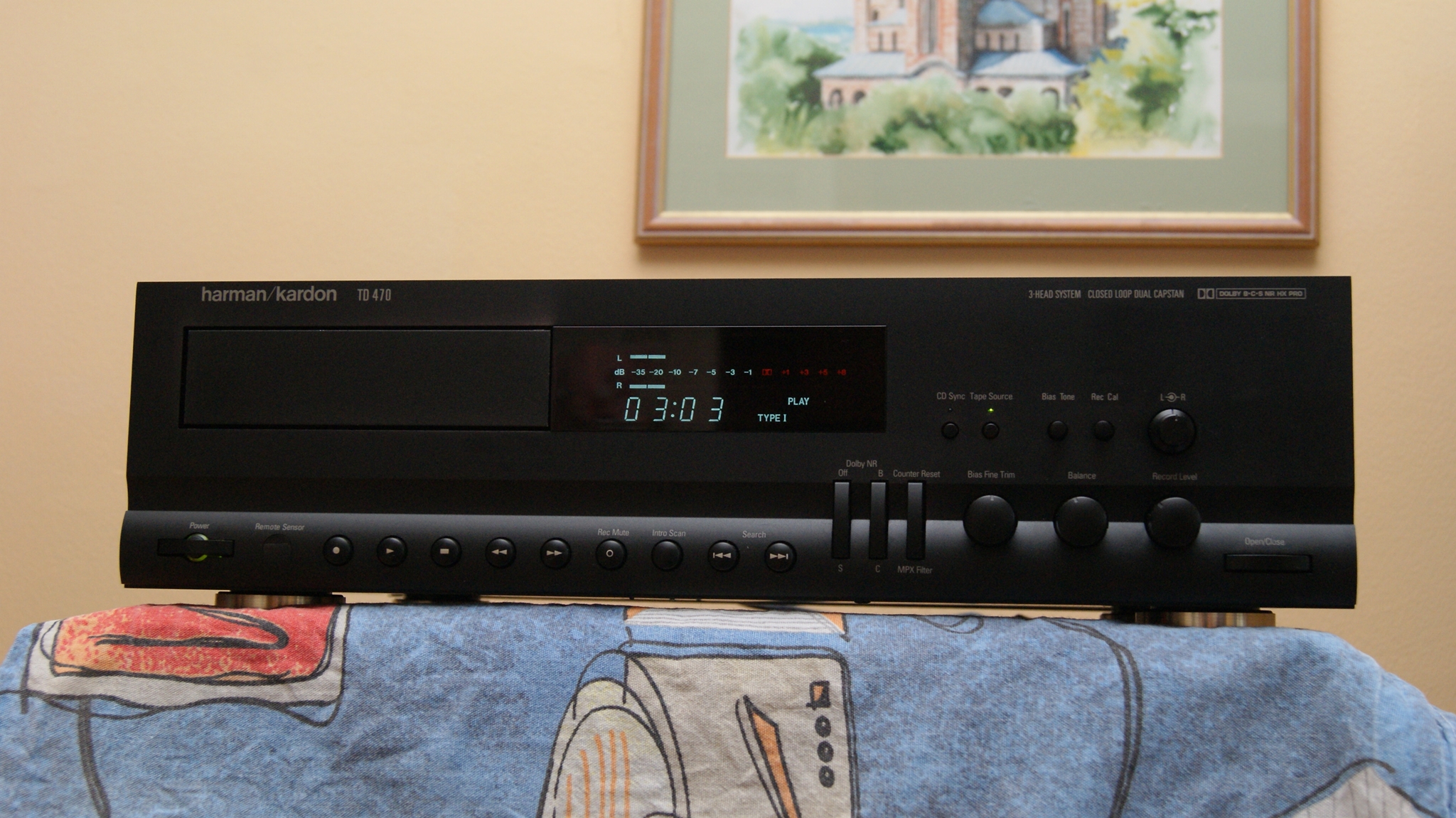
When I managed to get hold of the TD470 again after many years, I realized I had forgotten how large it is: the depth and especially the size of the display are striking. The pseudo-real counter has very large digits; I have rarely encountered such large ones on any cassette deck, ever. However, the peak meters are only decent, with twelve segments per indicator and average resolution around 0 dB – compared to Pioneer’s variable-range peak meters, few can compete.
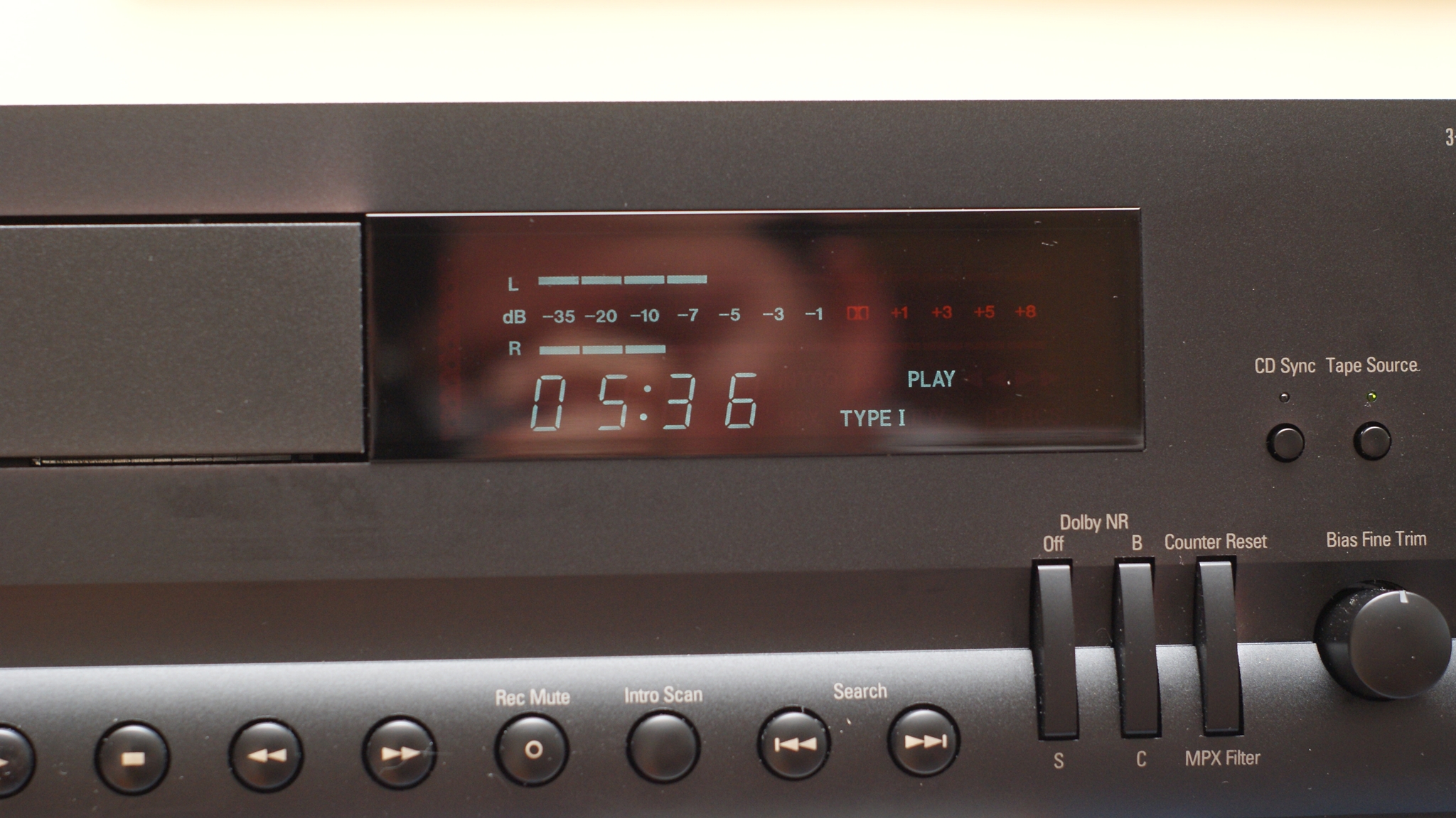
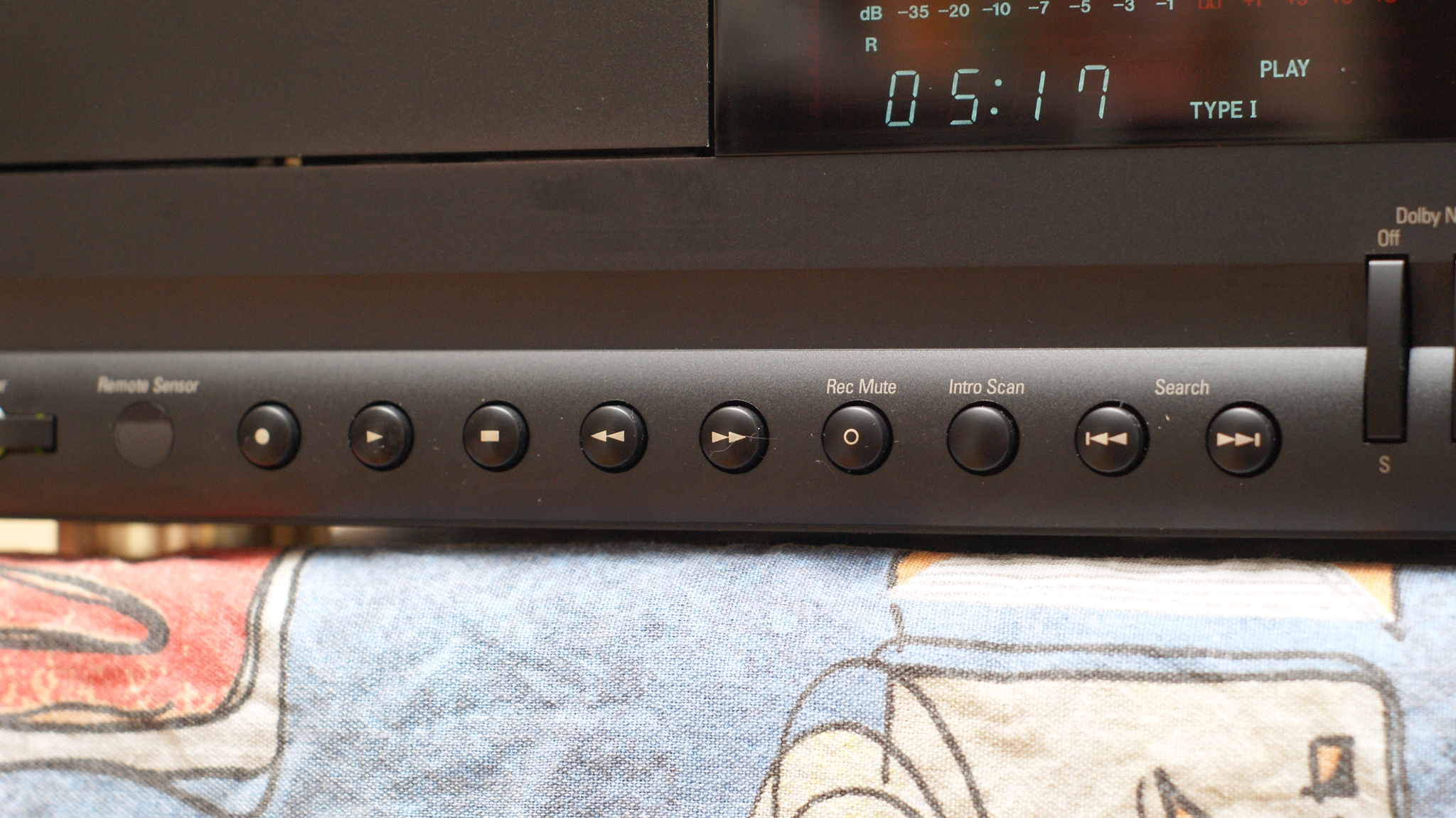
Various options are present, such as Dolby S, intro skip, track search, and so on. Interestingly, there is no “Pause” button. Looking at the control layout, it seems to me that the engineers (or managers) decided only later to add the calibration system, and therefore left the bias button where it was on the TD420/450. From an ergonomic standpoint, the calibration procedure is not as simple as it could be – this is done slightly better on the TD4800.
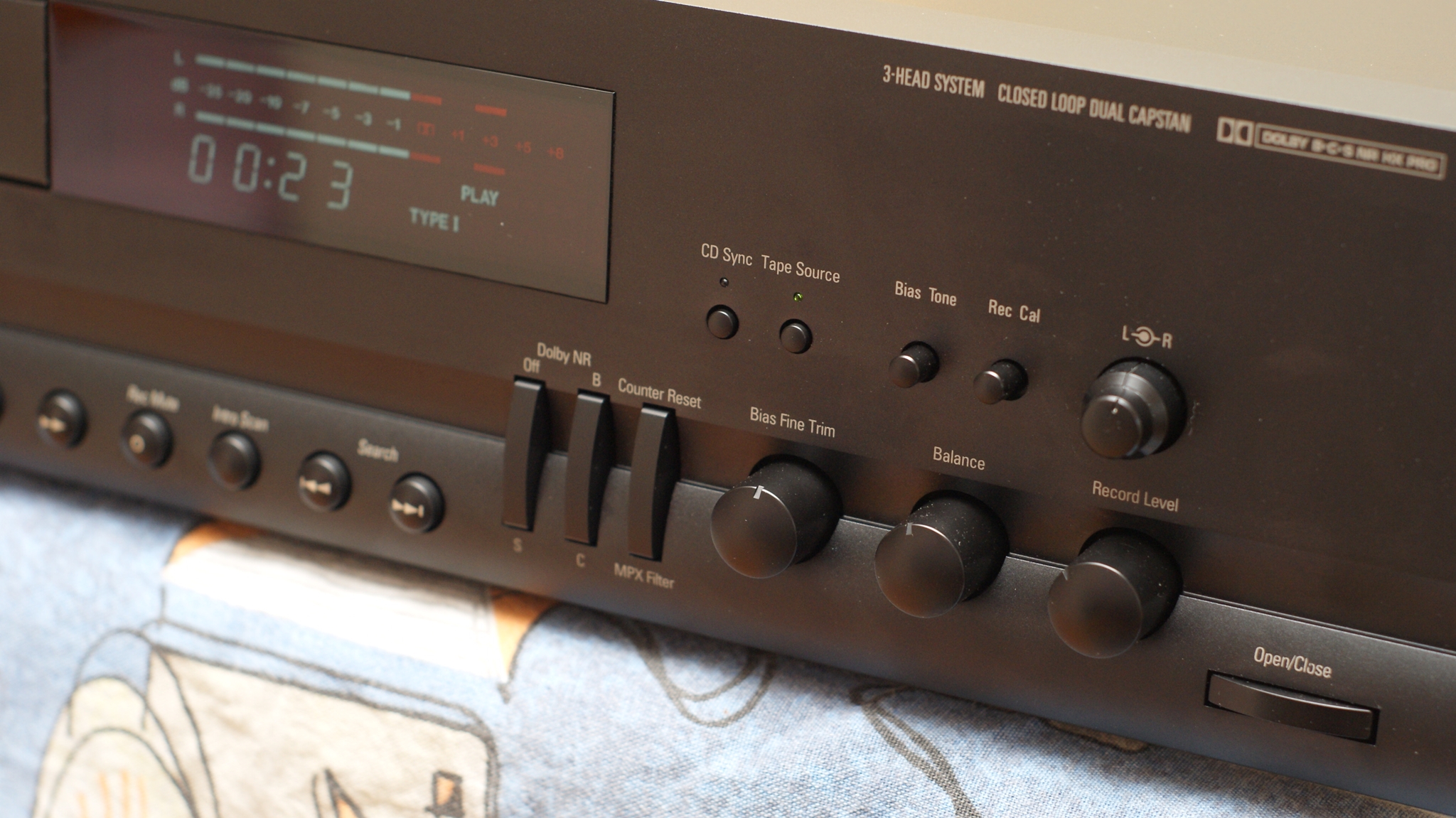
Two things were missing for me from the start: a counter memory and, even more so, a calculation of the remaining time until the end of the cassette – since I cannot see the cassette itself, it would be nice to get information on how much is left. This is especially relevant if you are recording track by track and resetting the counter before the start of the next one: I had to eject the cassette to see how far it had progressed.
On top of everything, the transport control buttons are identical and differ only by their labels, and if you insert a cassette into the carrier and want to press Play or rewind so that the deck immediately pulls in the cassette and starts the function, you can only do that if the machine is not positioned below you, because the cassette carrier will block the view of the desired button. It seems the designers did not think this through very much.
There is another thing that puzzled me, namely the catalog price of the TD470 – “only” 1,000 DEM (500 EUR). This “only” is because Harman always priced its decks very highly, including the TD4800, which cost almost three times as much as its successor, while offering some solutions that were the same, some slightly better, and some worse.
Take two minutes and look at the comparison table of the TD470 versus the TD4800:
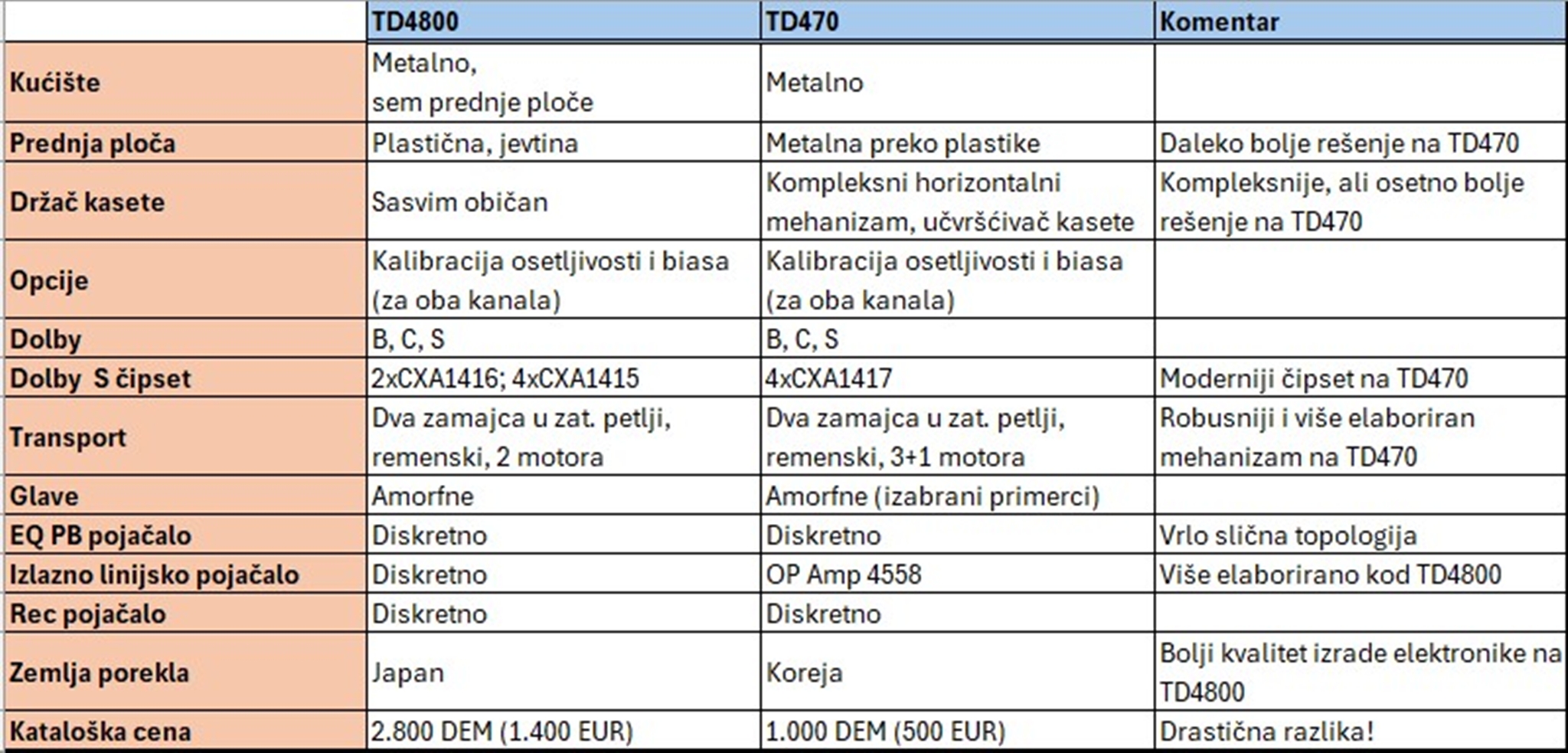
It remains unclear to me why there is such a large price difference. Even if we take into account that Dolby S was a new technology and that the TD4800 uses the first generation of Dolby S integrated circuits, as well as who knows how high the licensing fees for Dolby Labs were, everything still seems excessive.
Let’s elaborate a bit more on the Harman/Kardon TD470…
Transport
The transport used in the TD470 is somewhat better than that of its predecessor, the TD4800: it is identical to the one found in the Denon DRS810, some Yamaha decks (KX690), Onkyo decks, etc.
I do not know who manufactured it, but it seems noticeably better than the cheap ALPS mechanism used in the TD450/420 machines and many other Japanese decks. Still, it has its quirks, which can sometimes make maintenance more difficult.
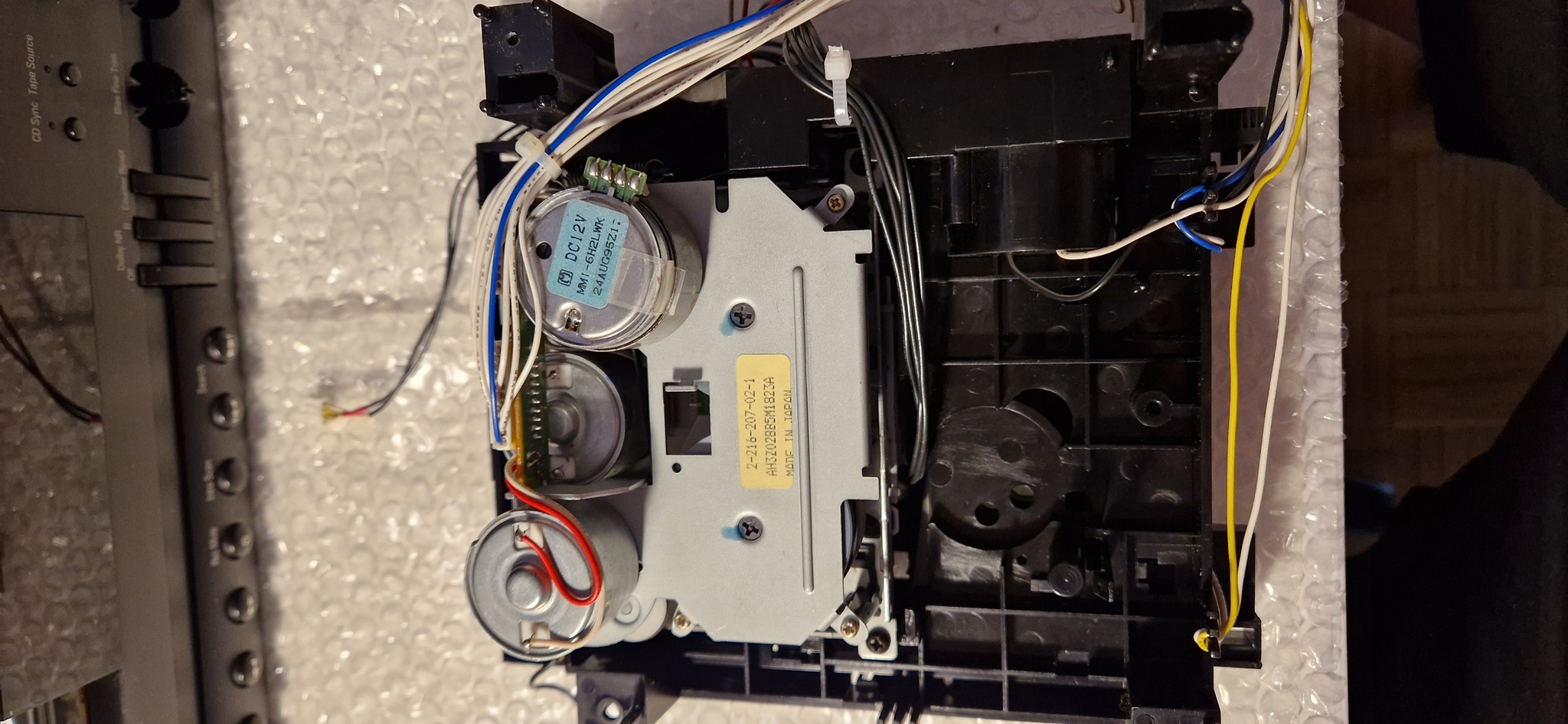
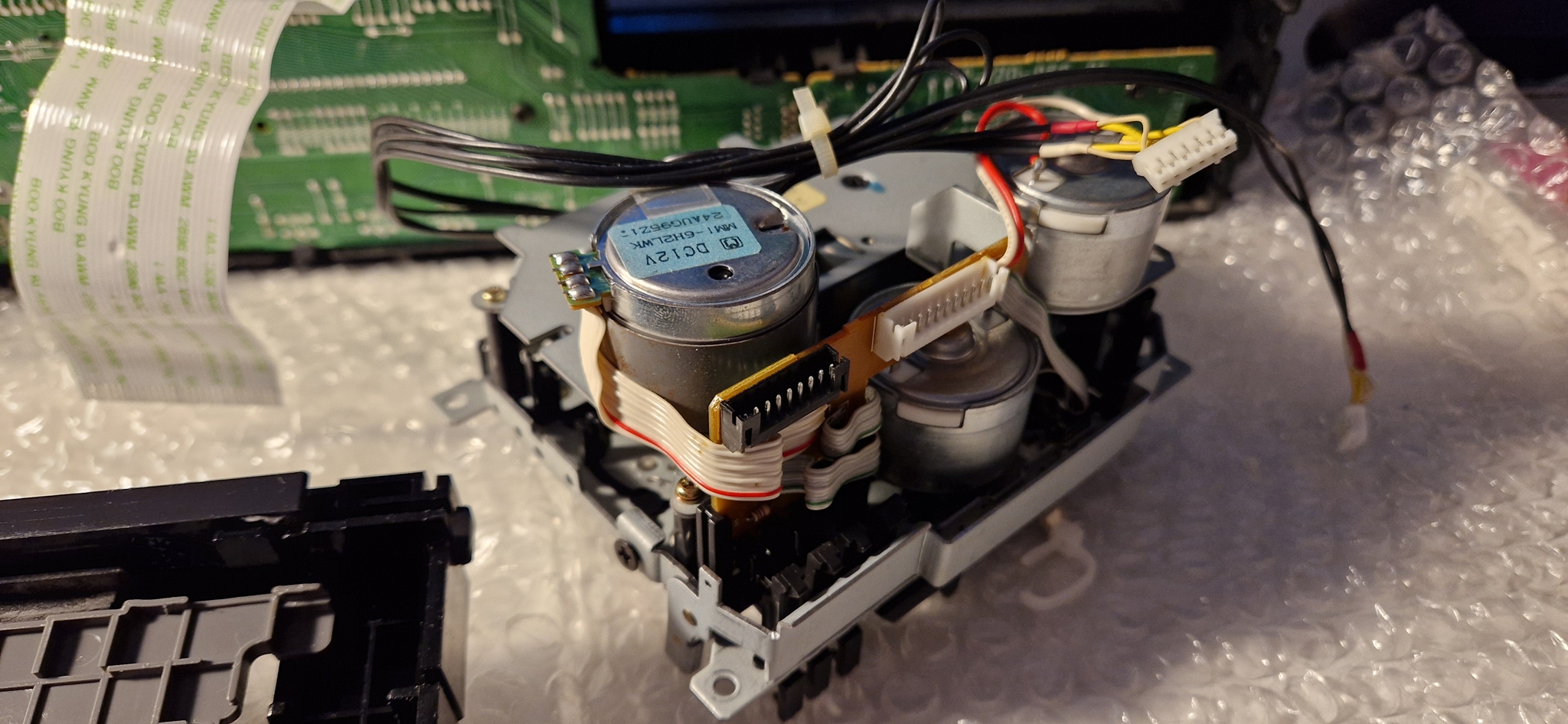
This mechanism has three motors (plus one for opening/closing the cassette carrier), two fairly large flywheels with traces of additional dynamic balancing, and isotropic (amorphous) heads, specially selected from the production batch (the rest probably went into the TD450). All of this makes for an excellent whole. Theoretically. When you take a closer look, you can see that the construction itself lacks true durability and was not designed to withstand heavy use. It appears sufficiently solid, but at the same time more delicate and less robust than the Sankyo mechanism used in the TEAC V6030S and, in its DD-motor version, the V8030S. The TEAC V6030S cost 1,300 DEM, that is 300 DEM or 30% more, but the difference in transport quality is completely evident. It is a pity that Harman did not go in that direction.
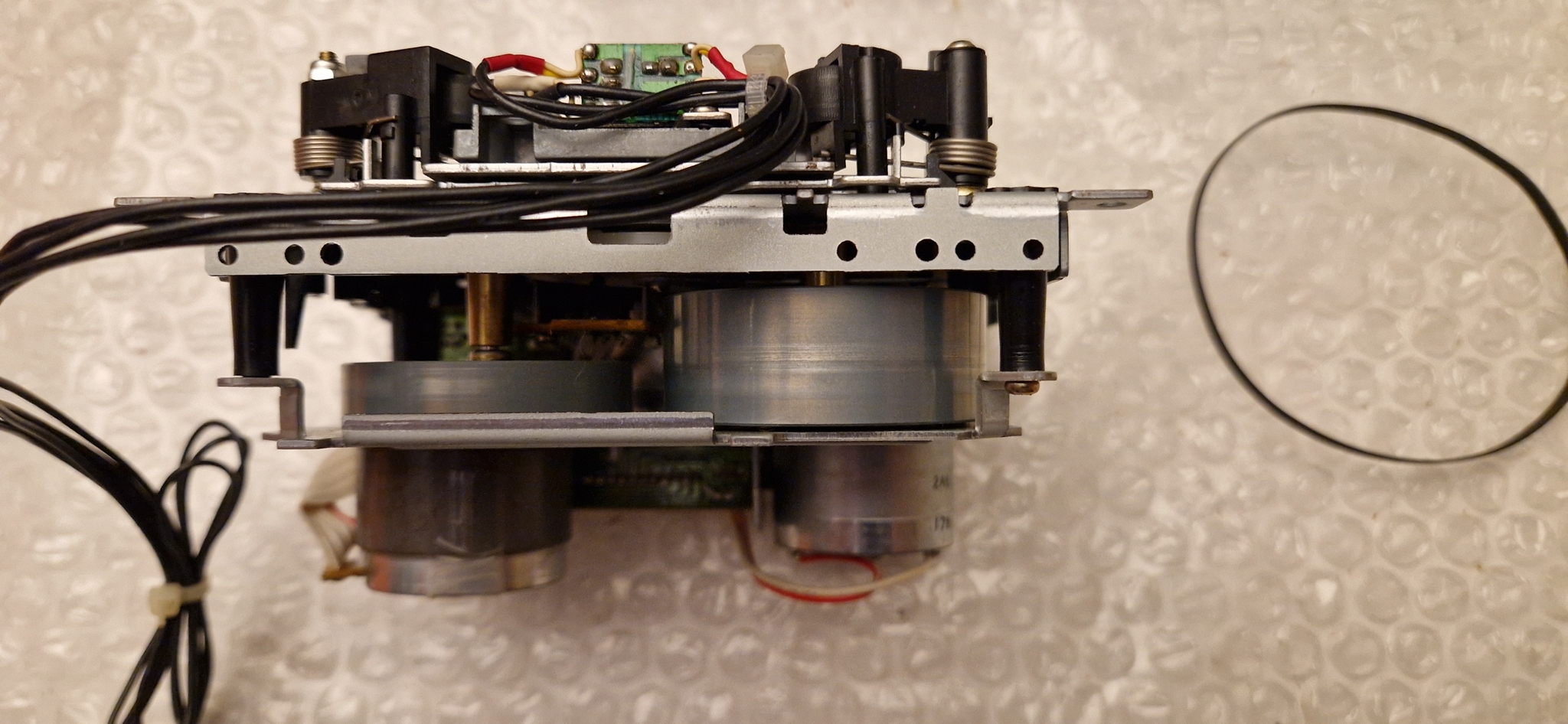
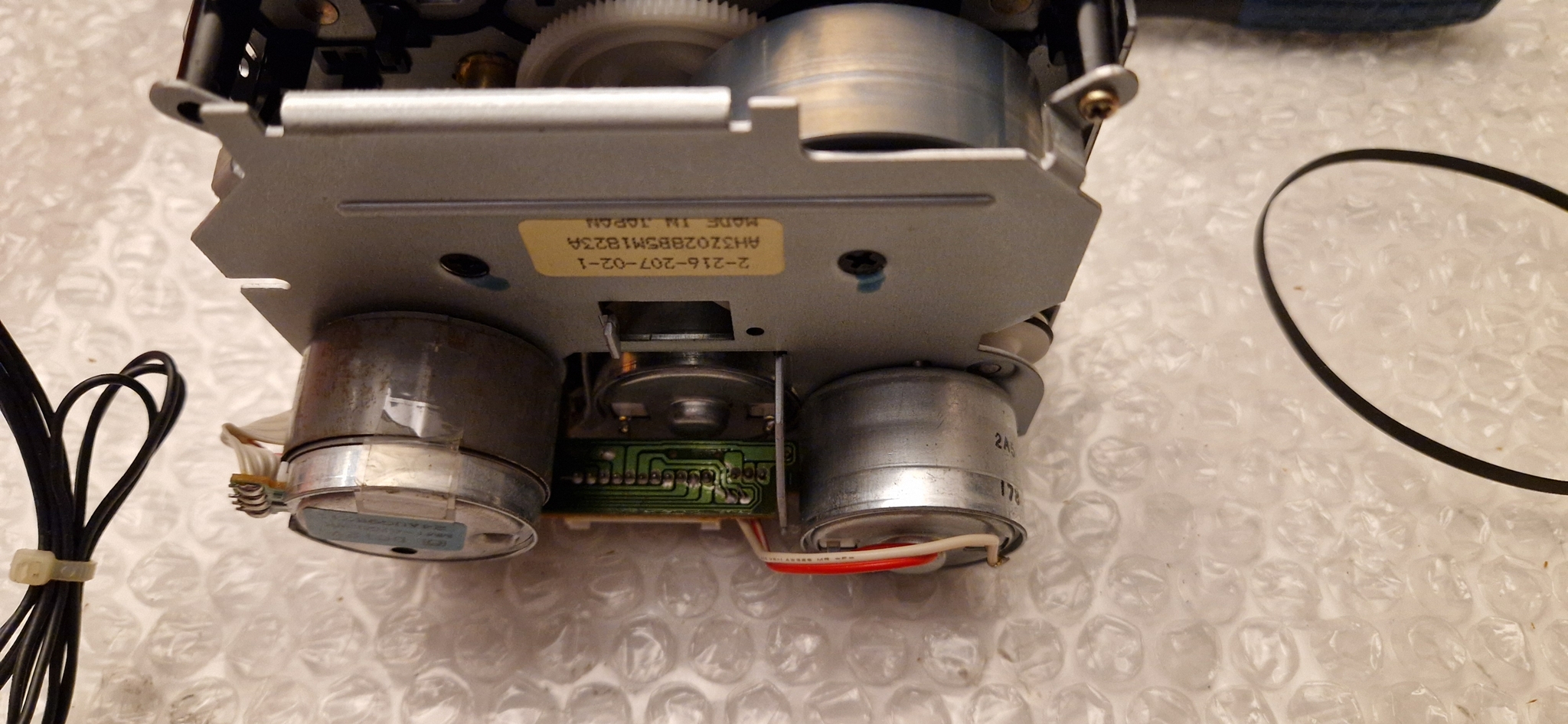
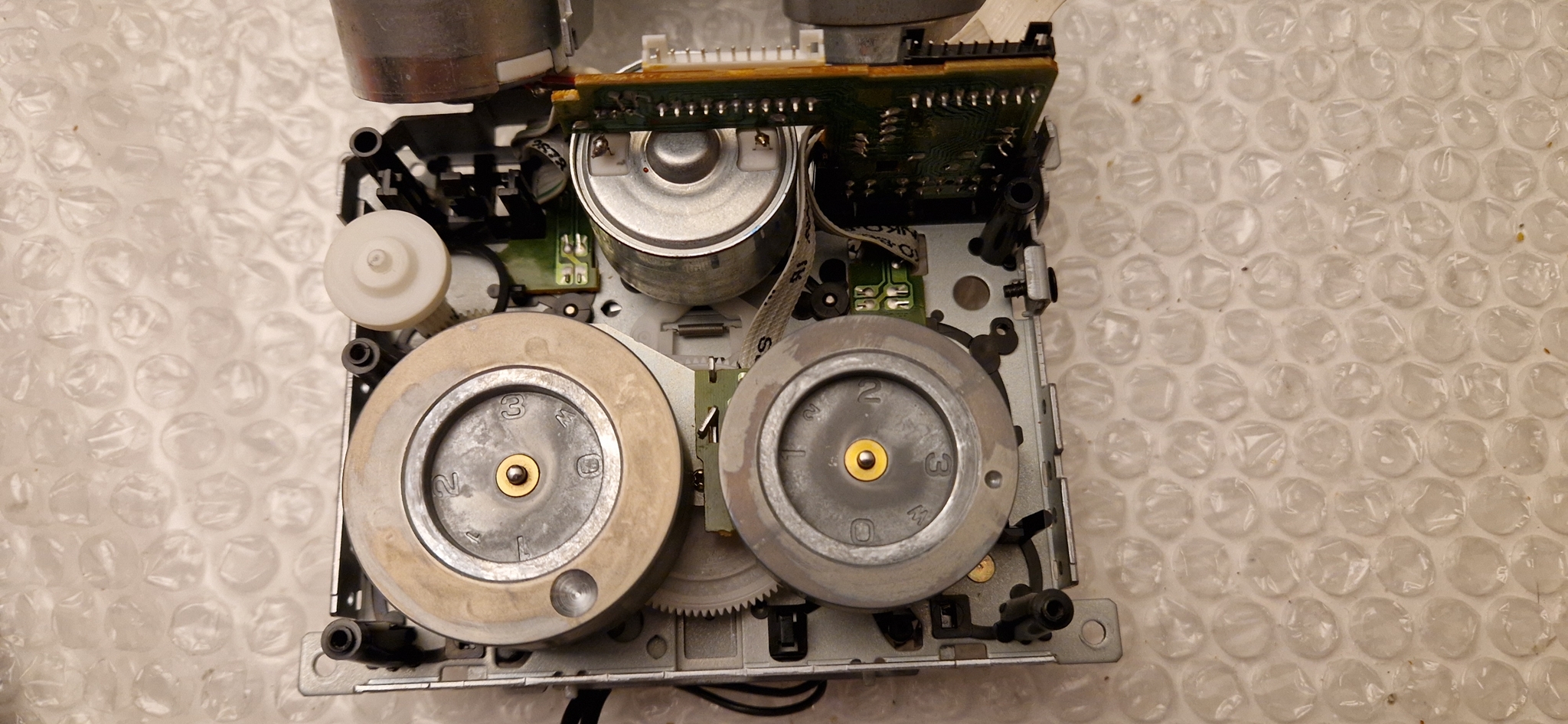
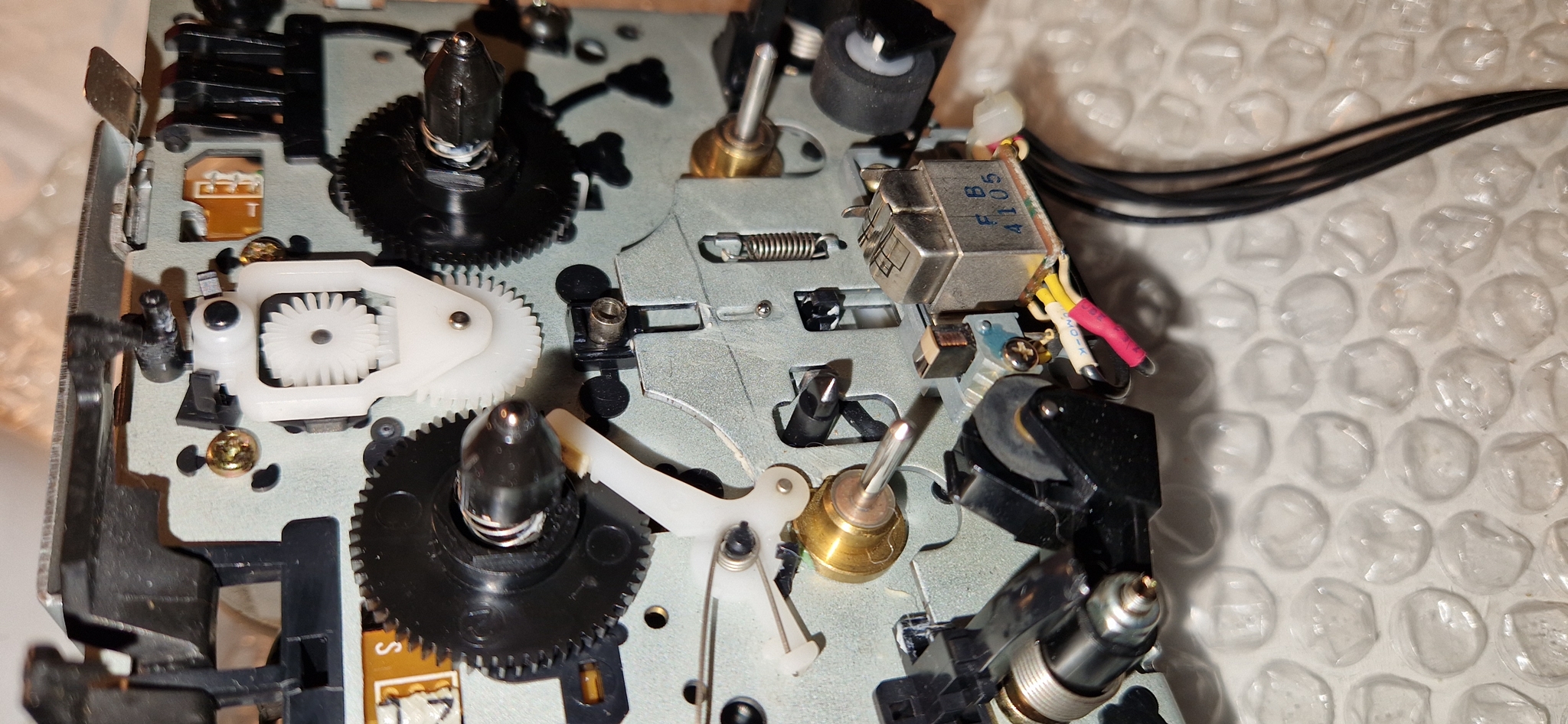
During use, I noticed that the TD470 rewinds tape noticeably more slowly than some other decks, and the same was true for most other models using this type of transport: the TD470 rewinds a C60 cassette in approx. 110 seconds, while most cassette deck finish in 80-90 seconds. Of course, this may be adjusted in drivers circuit.
Electronics
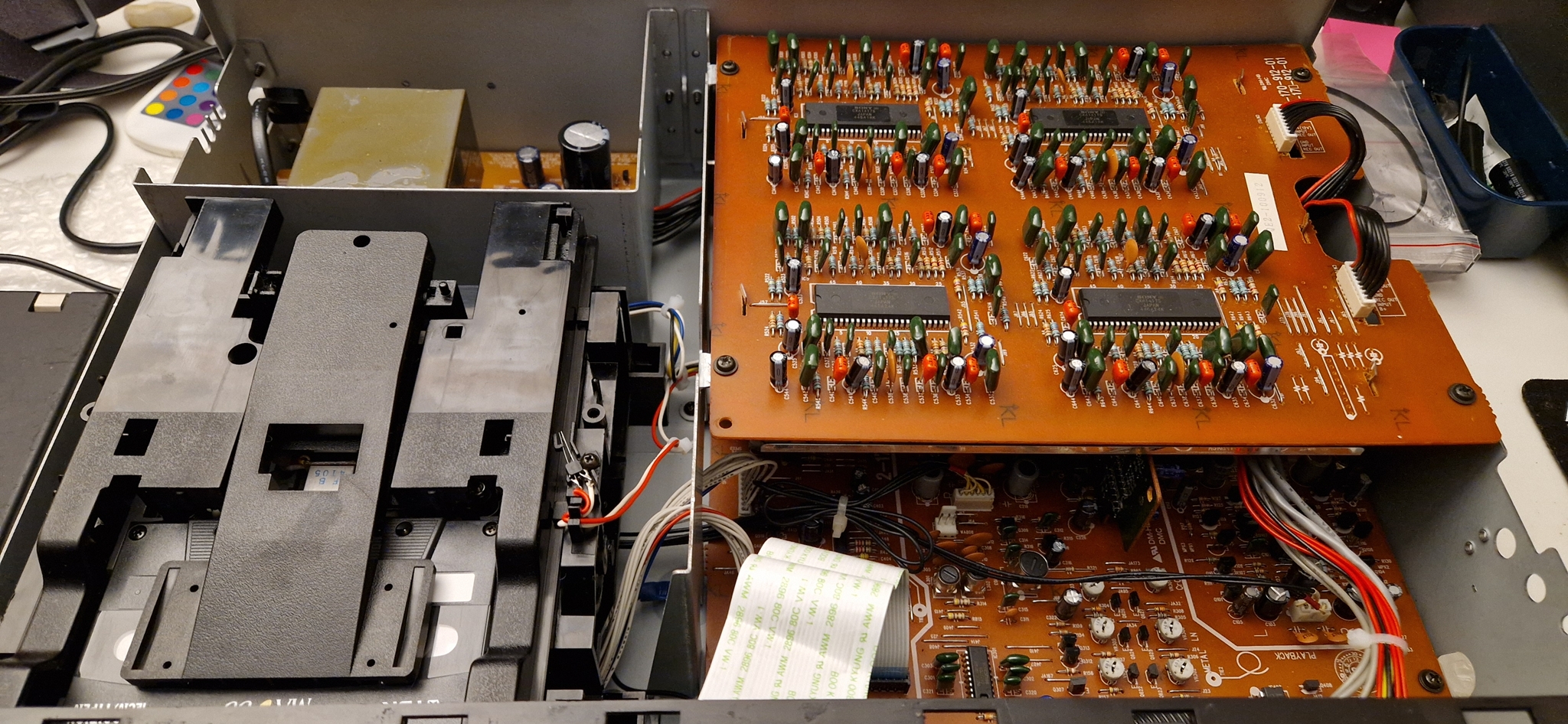
The electronics inside the TD470 are similar to those in the TD4800, but there are clear differences: the Dolby S circuitry still uses a large printed circuit board (especially compared to, say, the Sony TC-KA6ES), but with fewer integrated circuits (4 instead of 6), and Dolby B/C is no longer located on the same “Dolby” board but on the main board.
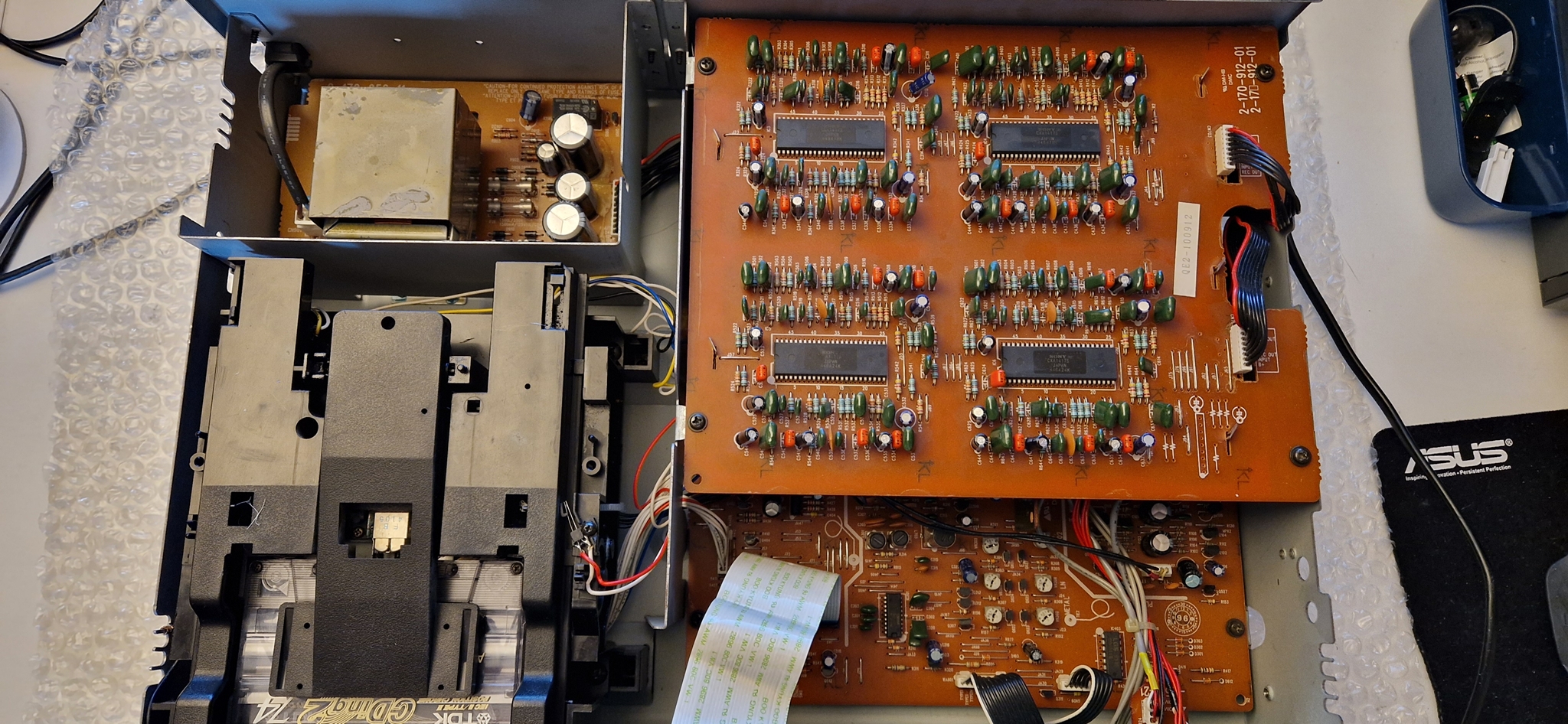
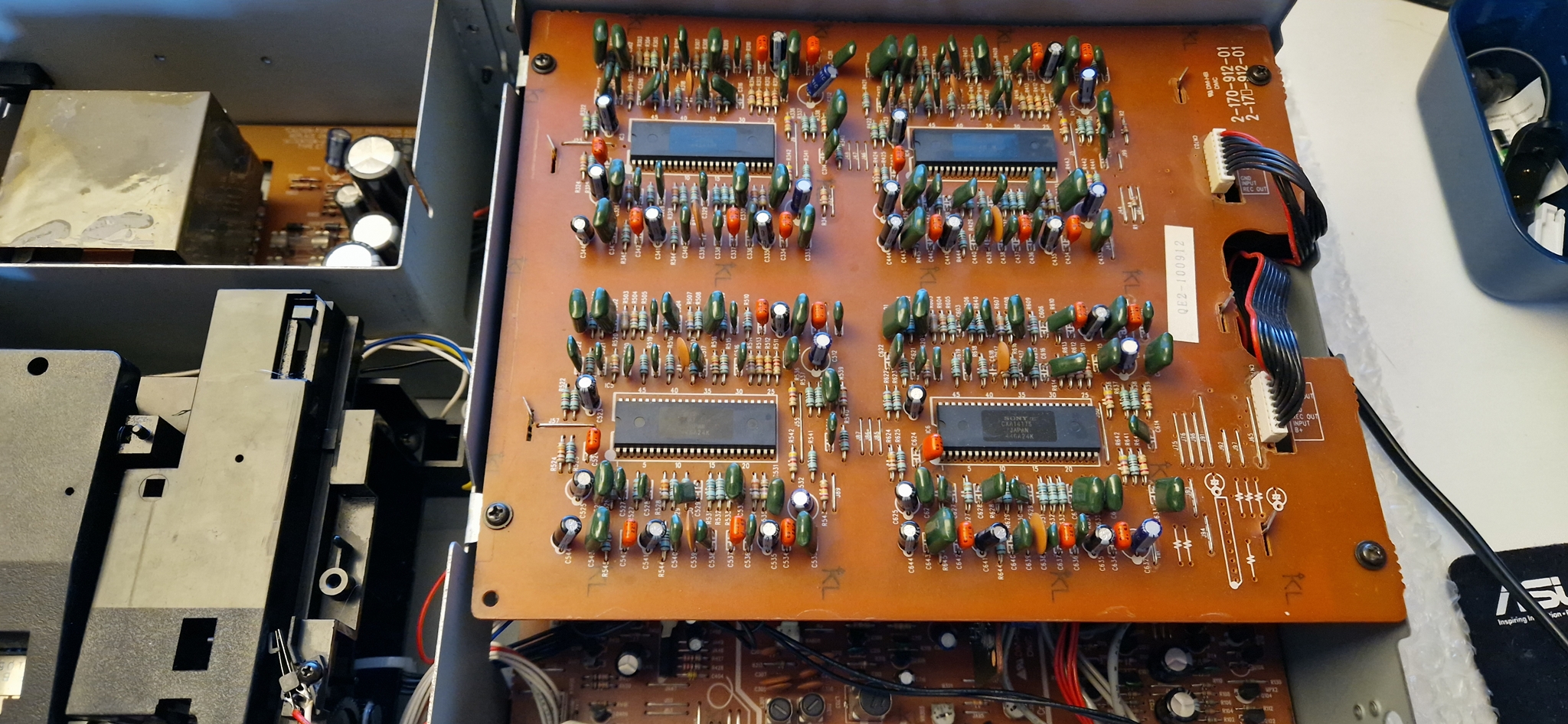
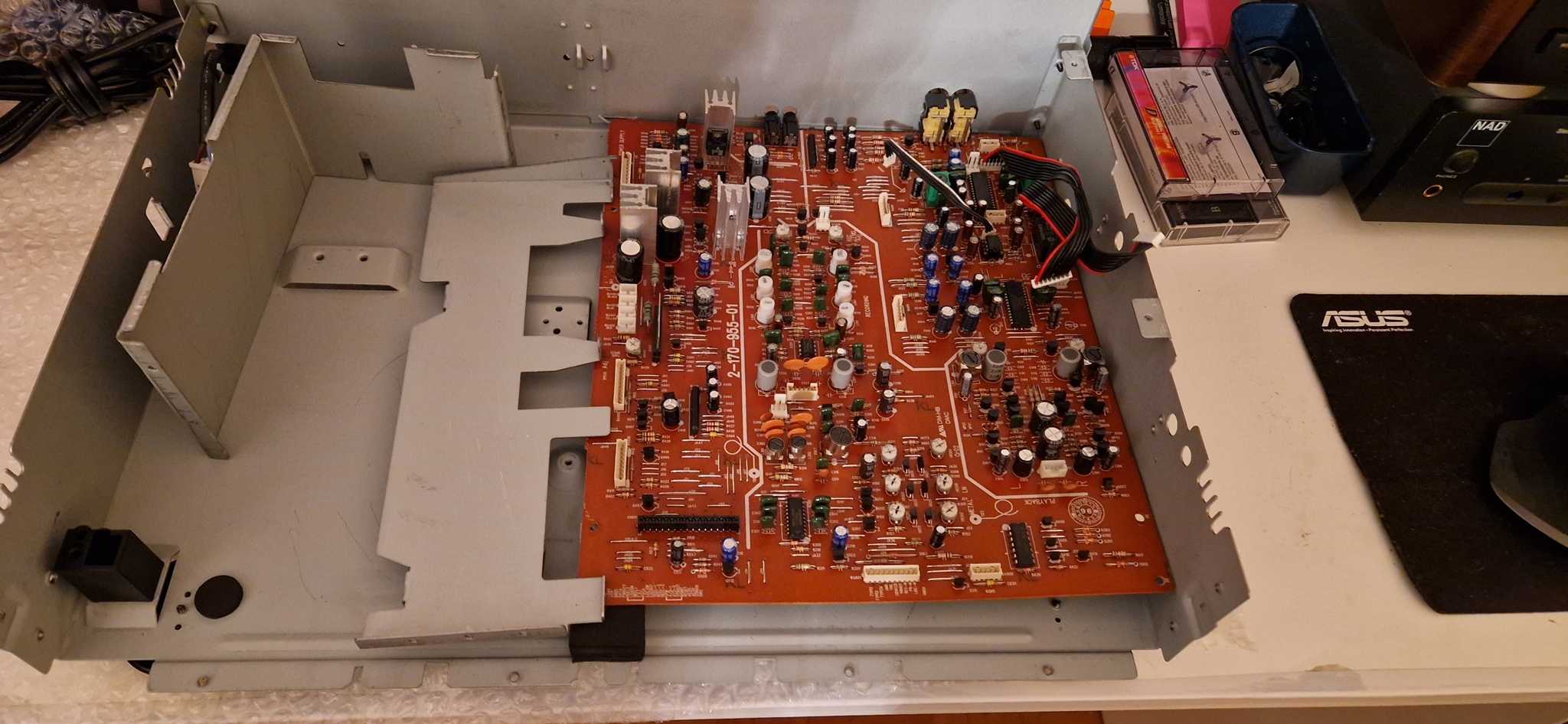
The main board occupies about two thirds of the cassette deck’s surface area and is located beneath the Dolby S board. Some of the adjustment trimmers are inaccessible until the Dolby S board is removed. This board covers the audio section, part of the power-supply section (regulators, etc.), the motor driver section, and signal routing to the central processor.
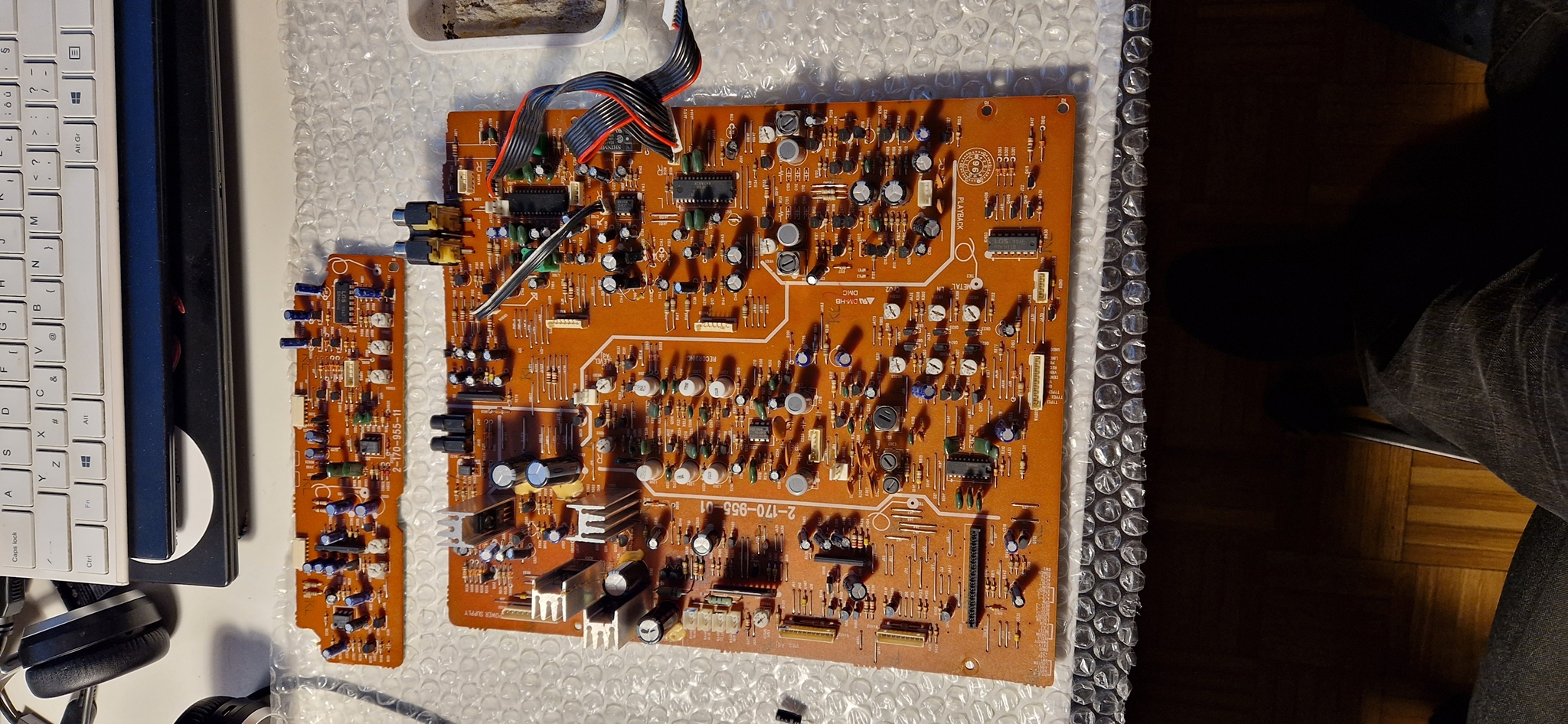
The processor, as in many newer decks, is part of the front panel and display assembly and controls everything.
The playback amplifier is based on discrete components in the EQ section immediately after the heads, followed by the Dolby circuits, and then a simple operational amplifier at the output—where the TD4800 used transistors.
The power-supply section is quite elaborate, with, for example, separate regulated supplies for the Dolby playback circuits and the recording circuits—no fewer than four regulators.
Repair
The unit I bought on our most popular local trading website gave me trouble before it even arrived, thanks to our fantastic postal service, Post Express, which was completely unprofessional. So it started badly.
When I unpacked the deck, I noticed a nasty mold smell—the unit had been stored somewhere, God knows where. Fortunately, there were no signs of rust or moisture, and the buttons worked, so apart from the smell there were no other apparent problems. Or at least that’s what it seemed like, but the mold required complete disassembly and washing.
The unit itself was very well preserved; it was obvious that it had seen few hours of use, which could be seen on the mechanism and buttons of this model. It also looked much better than in the photos the seller had sent me! It did not start working immediately—the door opening did not function, so I nudged it; it was probably a weakened belt or something shaken loose during transport. It works now.
Playback was excellent, but when the deck had been switched off for a longer time, it took several seconds before sound appeared on first power-up.
Recording, however—no chance. Although the seller told me the deck was fully functional, given what awaited me I am fairly sure he knew and had tried to “tinker” with it. The signal was barely audible until the recording level potentiometer was almost at maximum. Calibration did not work. Worst of all, the deck did not pass the input signal through to the output; everything described above happened already in Record/Pause mode while monitoring the source, that is, before the deck was actually recording. On the TD470, Source/Tape works only in recording mode; you cannot switch it at will.
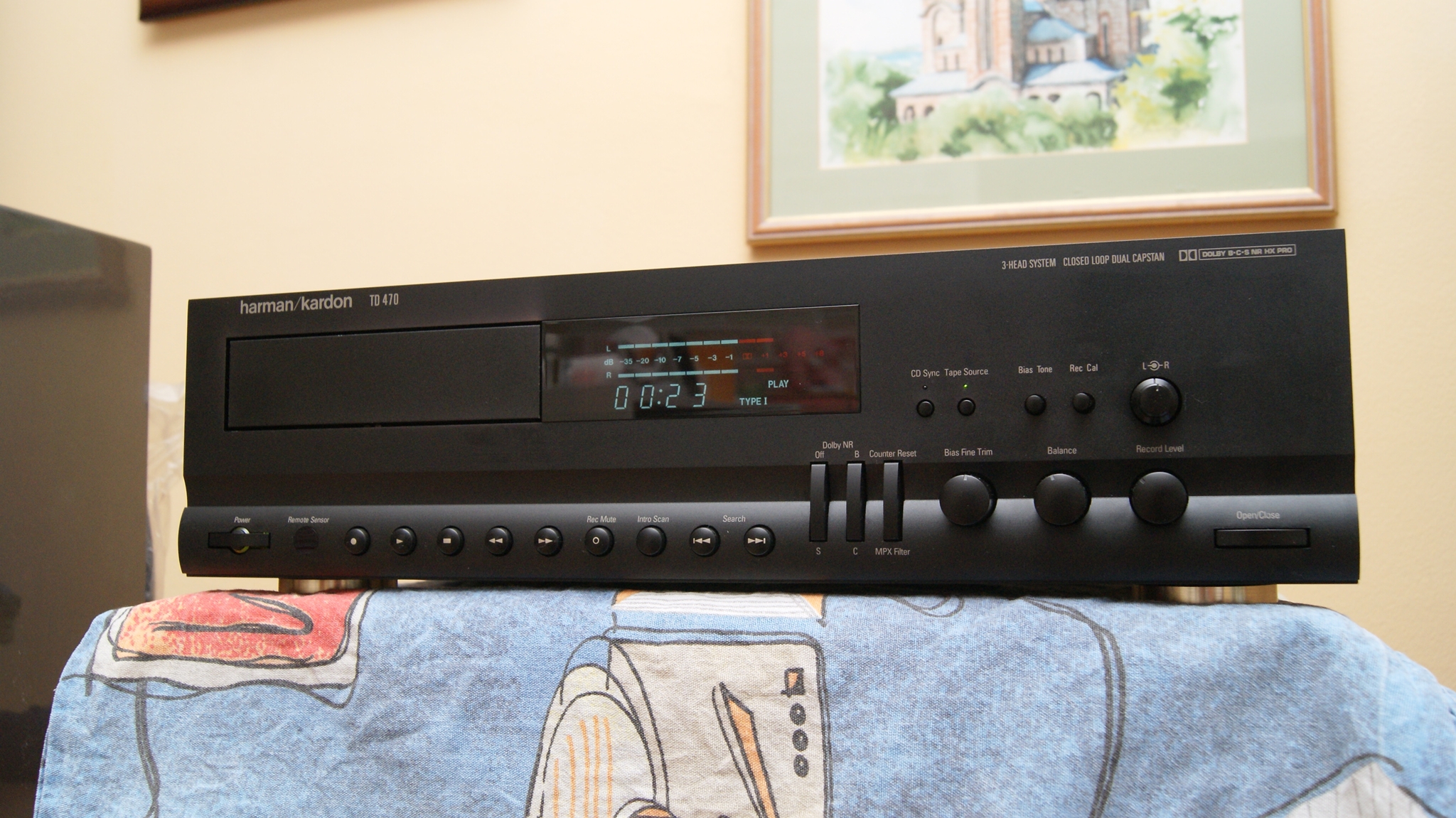
The symptom suggested that the problem was somewhere in the input circuitry, before the recording amplifier, assuming there was only that one fault.
I dove into the schematic, which, incidentally, differs slightly from what is actually in the deck. I prepared a multimeter, oscilloscope, and signal generator.
In the TD470, as in most decks, the signal goes from the input, through the balance and recording level potentiometers, to the Dolby B/C circuit. This circuit (CXA1563) differs somewhat from the classic implementation: it can operate as a stereo Dolby B/C compander or, together with additional mono or stereo modules, as part of the Dolby S system. In effect, the CXA1563 performs the Dolby B/C function, and when Dolby S is needed it routes the signal out to the dedicated Dolby S section, then takes it back and passes it along further. Thus, it acts as a B/C compressor during recording, and as a router in the case of Dolby S, which is clearly visible in use—if you enable Dolby B or C and then S, the circuit first disables B or C and then activates the S system, all of course under control of the central logic.
There are two basic ways of powering this circuit (CXA1563), and the TD470 uses symmetrical ±6 V. I checked, and it turned out that the negative voltage was missing. Tracing the schematic led me to the −6 V voltage regulator. What puzzled me was that the playback circuit worked flawlessly, even though it used identical voltages and an almost identical circuit. It turned out that Harman installed completely separate voltage regulators for the playback and recording circuits, which is very nice and requires additional cost and effort.
Unfortunately, as already mentioned, the TD470 has no removable bottom cover; instead, you must disconnect and remove the main audio board even for trivial repairs, which cost me time.
The voltage regulation circuit is simple, based on a Zener diode and a transistor. The transistor was fine, but the Zener diode was shorted. When I replaced it, the situation did not improve, and then I noticed a small 47 µF capacitor (22 µF according to the service manual, but the factory installed 47 µF) connected in parallel with the Zener diode. Harman did this simply, neatly, and elegantly: the capacitor has multiple roles, including reducing micro-oscillations of voltage at the transistor base (and thus at its output) due to load changes, reducing Zener noise, and reducing ripple (undesired tiny voltage variations).
I disconnected that capacitor and tested it—it was shorted and behaved like a piece of wire, pulling down the transistor base voltage and its output. I replaced it, as well as the identical ones on the other three regulators. The capacitance of those small capacitors was in the range of 45–47 µF, and the ESR was 1.2–1.4 ohms, still within normal limits, but I replaced them anyway.
After checking the voltages and reassembling everything, I powered up the deck and got proper signal; calibration and recording both worked—excellent, right away :). Incidentally, the deck had probably been sprayed with WD-40 or something similar in an attempt to “fix” it by one of the previous owners, so there were traces of it on ICs, boards, etc.
What I noticed was that this particular TD470 activates functions even without a cassette inserted (which is better than not activating them when a cassette is inside, haha), including recording, and that it does not recognize tape types, always reporting “normal” regardless of what is inserted.
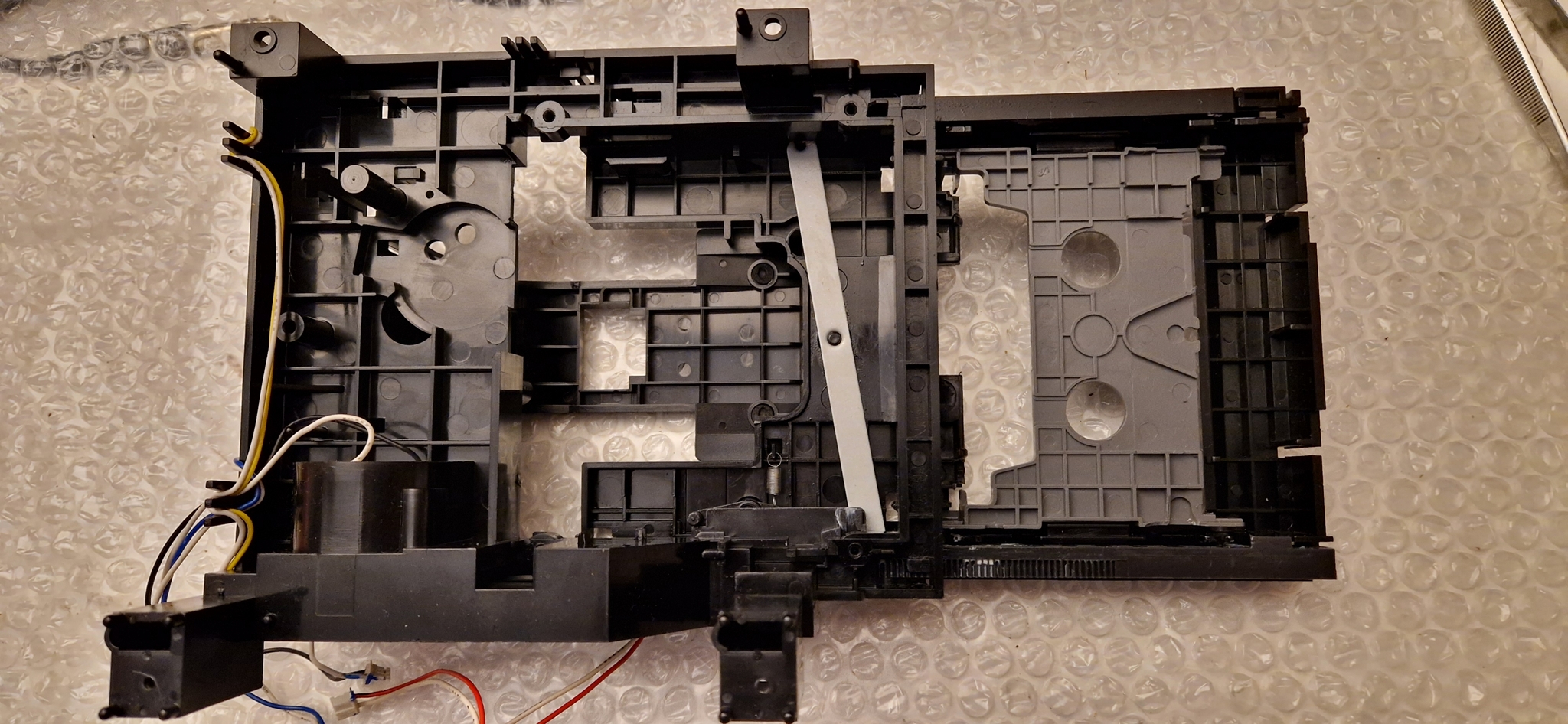
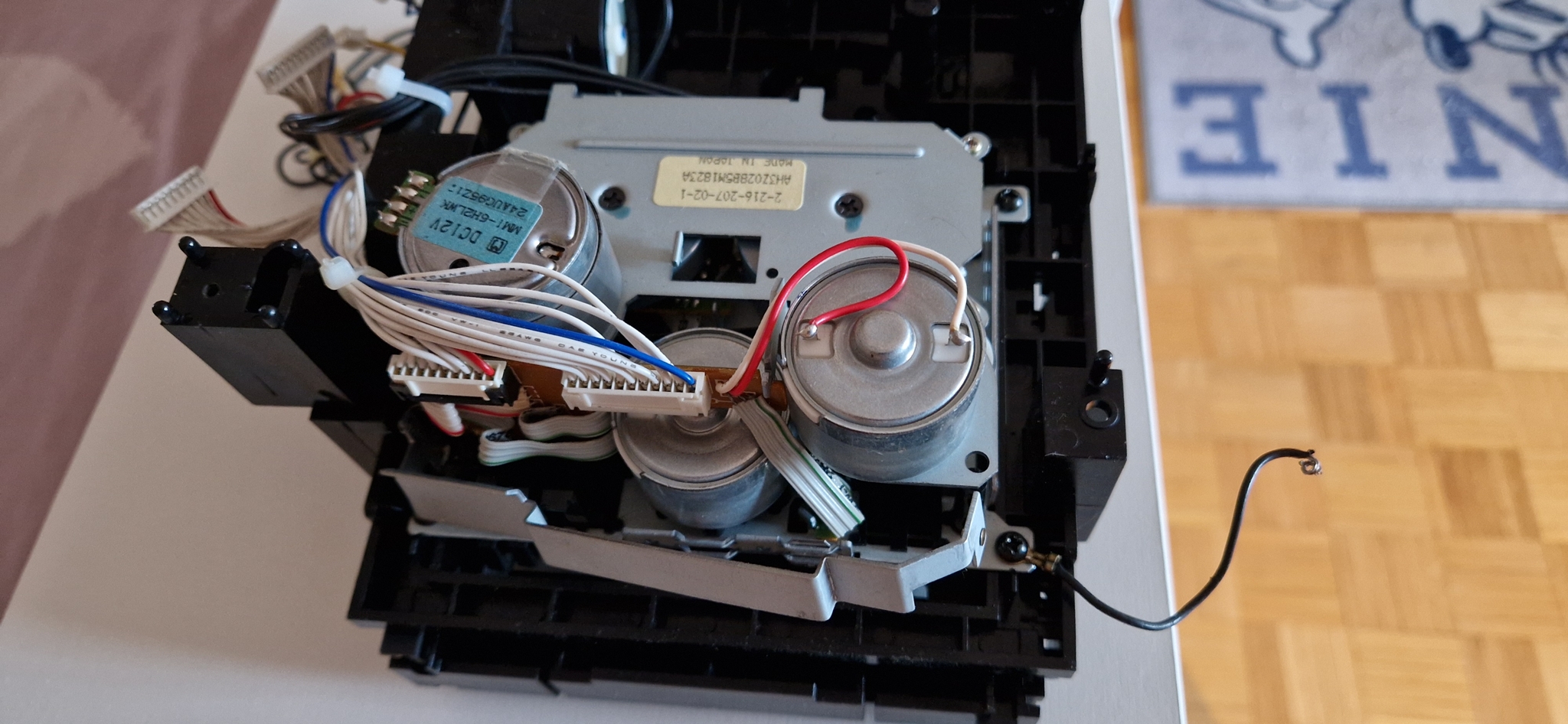
Because of this, I checked the connectors and found that one pin on one of the mechanism connectors was slightly bent, so I straightened it. The service manual is very poor when it comes to showing how the microswitches are connected. In my case, this did not solve the problem, so I quickly—well, as quickly as possible—removed the mechanism and… had quite a sight. The “technician” before me had probably reinstalled the transport poorly and knocked a metal switching lever out of its seat. This lever, using its own spring, presses the switches and sets them into their operating positions. By “switches” I mean those that inform the deck’s logic that a cassette is present, what type of tape it is (normal, chrome, or metal), and whether recording is allowed if the safety tab is intact.
Putting the lever back into place solved the problem.
Here is a picture of the lever knocked out of its seat—I should note that this can happen with very little force, even after slight adjustment of the lever to prevent it from popping out during minor assembly errors:
It is unfortunate that, as years go by, there are more and more faulty and “repaired” decks that are increasingly difficult to bring back into proper working condition. For now I am somehow coping, but I don’t know for how long :).
To determine how far I should go with servicing the Harman TD470, I made a test recording: calibration worked perfectly, the Dolby circuits worked well, I had not yet even cleaned or fully serviced the transport, there were still traces of oil and various residues inside the deck, yet the result exceeded all expectations—both on the TD470 itself and on the Harman TD392 and TEAC V7010 I had at hand. So it would be worth investing money, effort, and time into the TD470, and I will see what ultimately comes out of it.
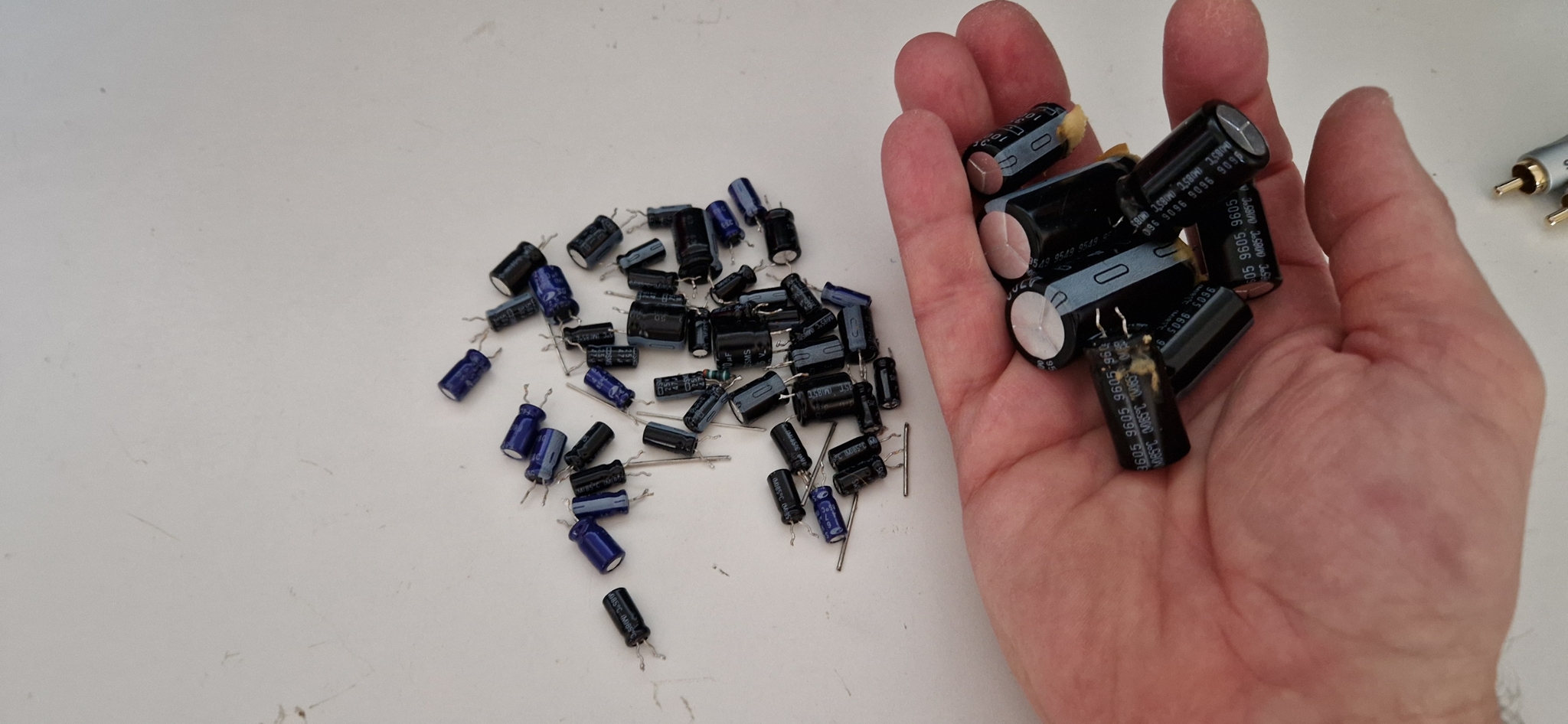
After long consideration, I decided to replace all coupling electrolytic capacitors and all those in the power-supply section—a total of 54 components. This is a job of several hours, especially since I measured every removed capacitor, particularly those of the same type as the one that had failed.
While I was working on other parts, our house cat fell asleep… on the main board!!! I don’t know… maybe he was training to be a fakir, but apparently the components were not uncomfortable enough to make him move.
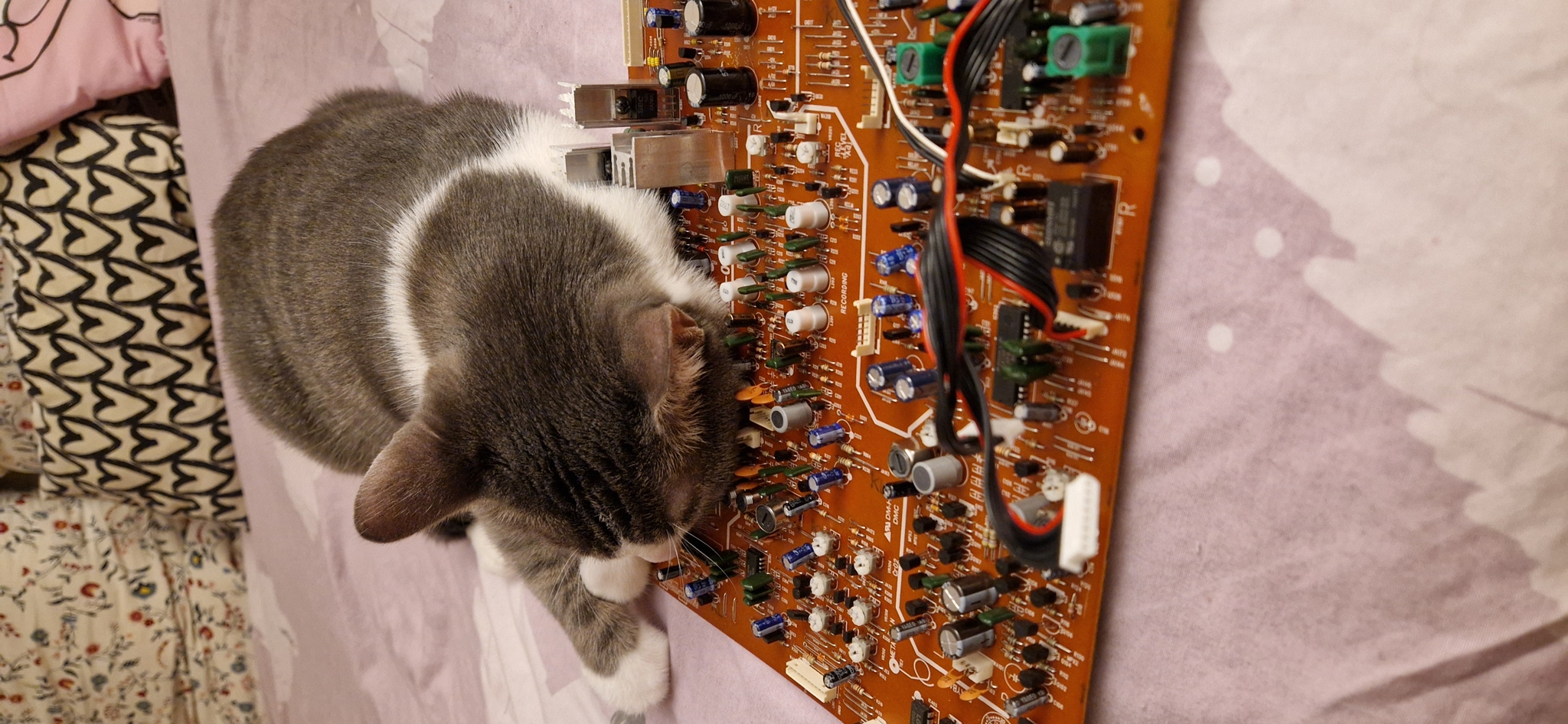
“Boss… why are you waking meeeee up????!!!!”
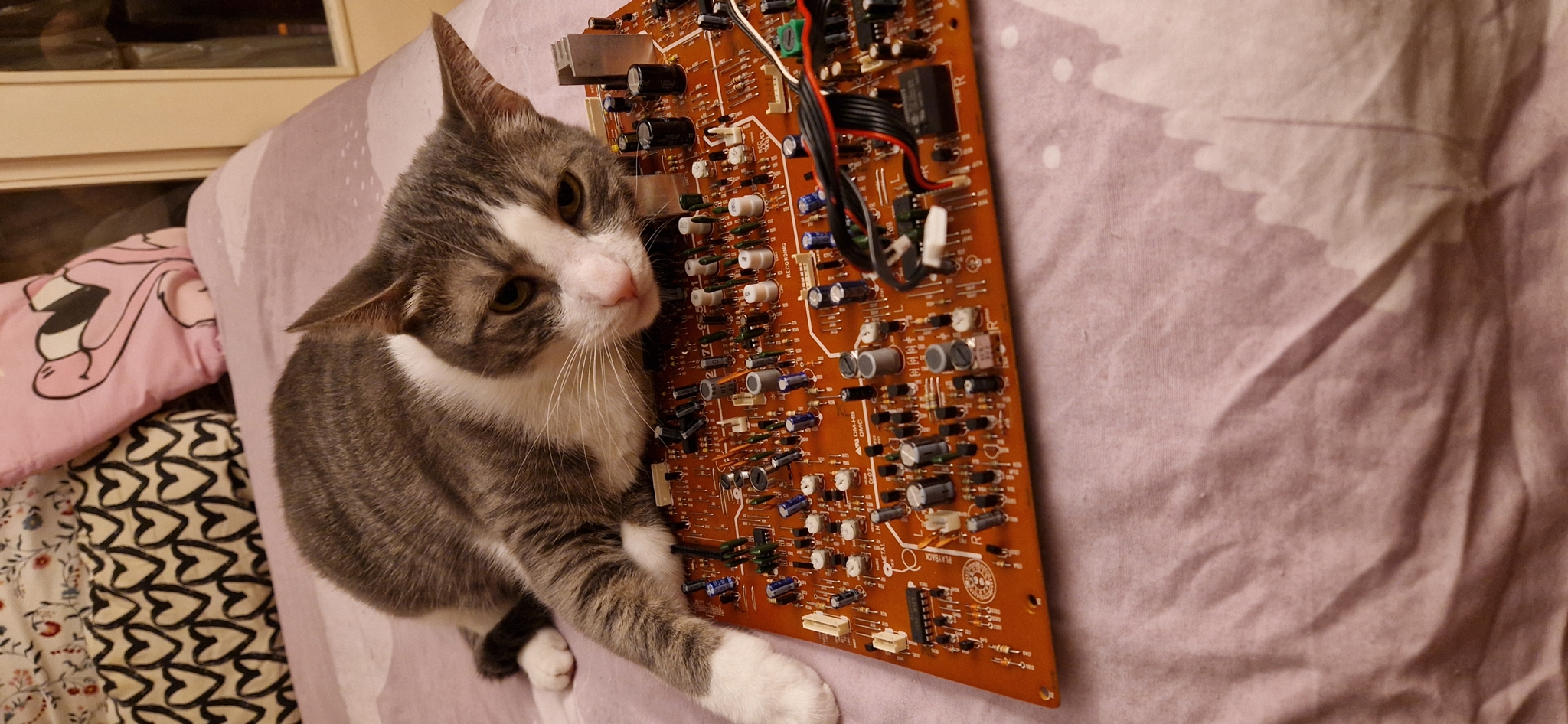
The result was that practically all of them were still within factory specifications, except for a few whose positions were in the power-supply section, close to the transistor heatsinks and the voltage regulator IC. Because of that, I did not proceed with a complete replacement of all the remaining ones; I saw no point. The capacitors that were close to failure were of small values, and it is obvious that cooling in the TD470 could have been designed better—it does not have a single opening intended for air circulation, and above the main audio board, which also contains voltage regulator sections with heatsinks, there is the Dolby S board, which further occupies space and, acting like a cover, reduces air circulation.
For replacements I used Nichicon capacitors for audio applications, Elna, Yageo, and NIC, depending on what I had and what I could obtain quickly.
I assume this rarely happens today, but the way components were placed on this board struck me as somewhat sloppy: some capacitors were mounted crooked, and the reel motor control circuit was also crooked, although the soldering quality everywhere was first-class. I desoldered that circuit and mounted it straight; it annoyed me to leave it crooked.
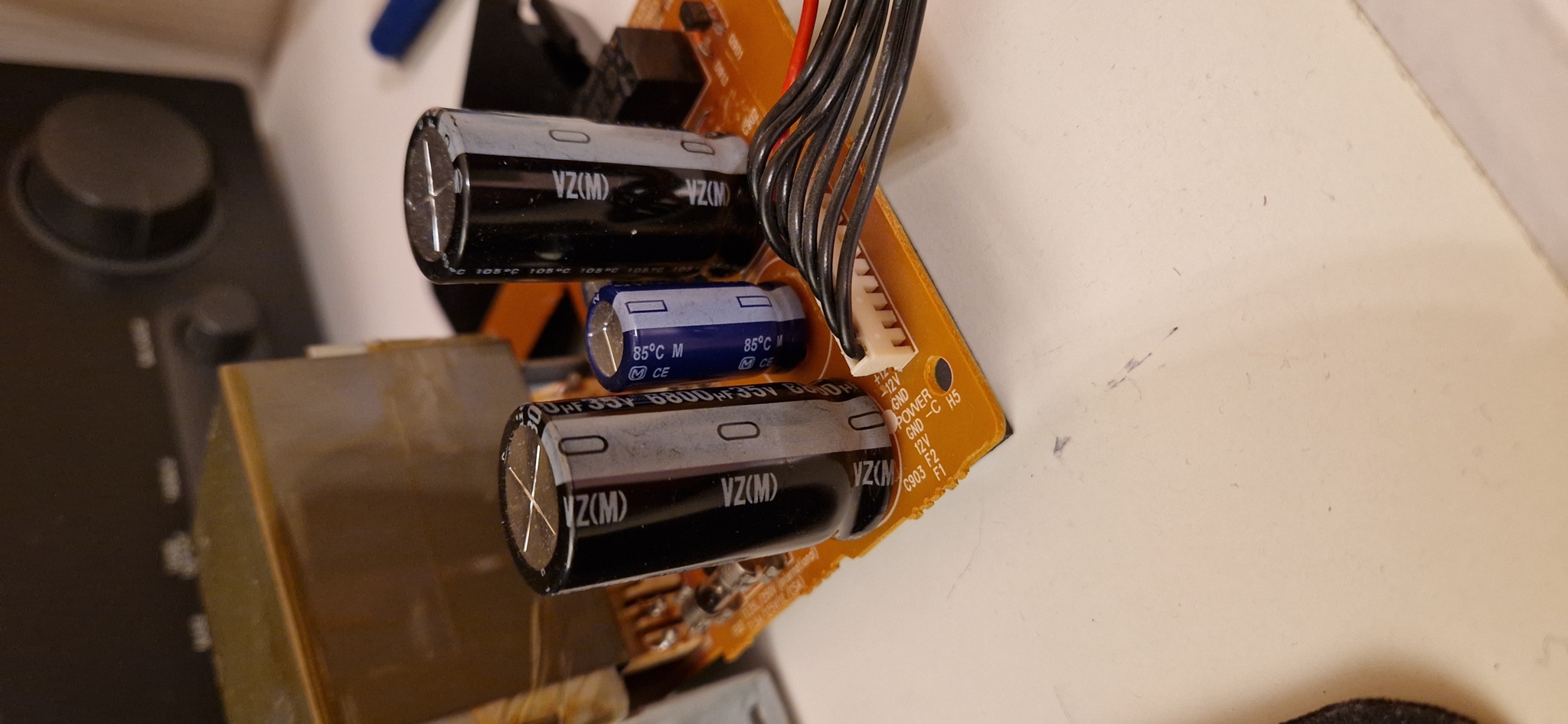
Along the way, I upgraded a few small things: the main mains filter capacitors of 4,700 µF were replaced with 6,800 µF simply because they were higher-quality Nichicons, and I did not have 4,700 or 5,600 µF values. In addition, I saw that the deck’s output stage was based on a JRC 4558 op-amp, so I removed it, installed a socket, and fitted an OPA2134 that I had on hand and that has always outperformed the 4558 for me in such applications. Additionally, I ordered a Lusya SX52B discrete op-amp to see how it would fit, if I can physically install it in the deck. I will see the result. That is why the deck in the photos still does not have screws in the cover, so I can open it more easily :).
After adjustment, I measured the frequency response, which should be 20 Hz to 20 kHz for any tape type, and the TD470 exceeded the specifications by about 1 kHz on normal and chrome tapes.
With decks manufactured in Japan, what I am about to say would have been very unlikely—apparently Korea also struggled with quality control in the 1990s, much like China somewhat later:
I noticed that even the main printed circuit board was warped, probably due to improper assembly or who knows what. Fortunately, it still functioned.
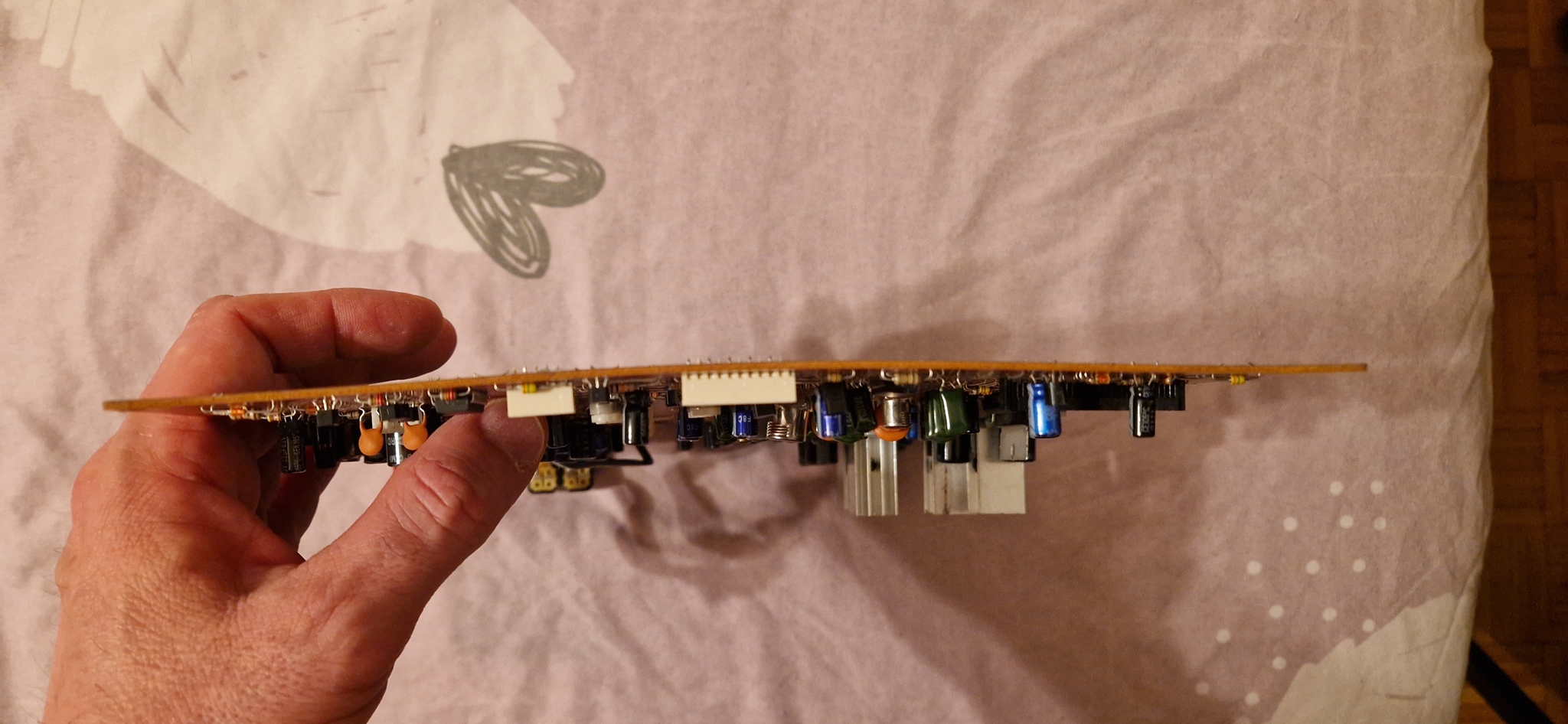
After the electronics, I moved on to the mechanics, which in this particular unit were almost flawless, with very few hours of use.
The transport itself is based on two flywheels and an additional motor for servicing the mechanism, where the cam that controls the mechanism activates two switches and thus reports the mechanism’s position. Everything is efficient, but somehow feels cheap.
The weak point of this type of mechanism is the bridge that holds the heads and slides up and down during playback or recording activation. Higher-quality bridges slide on steel balls underneath (most often three balls) and one above, whereas in this transport there are no balls underneath; instead, the transport slides over lubricated pads—stops—so this is sliding friction rather than rolling friction, which according to basic laws of physics is always lower. As the grease that lubricates the system ages over time, sliding friction increases further, and the servo motor, via the belt, does not have enough power to lift the head bridge and overcome the cam contours, but gets stuck at a precise point where additional force is required to complete the motion. Although it appears that the heads have been raised, the system fails to activate the appropriate microswitch and inform the control logic that everything is finished.
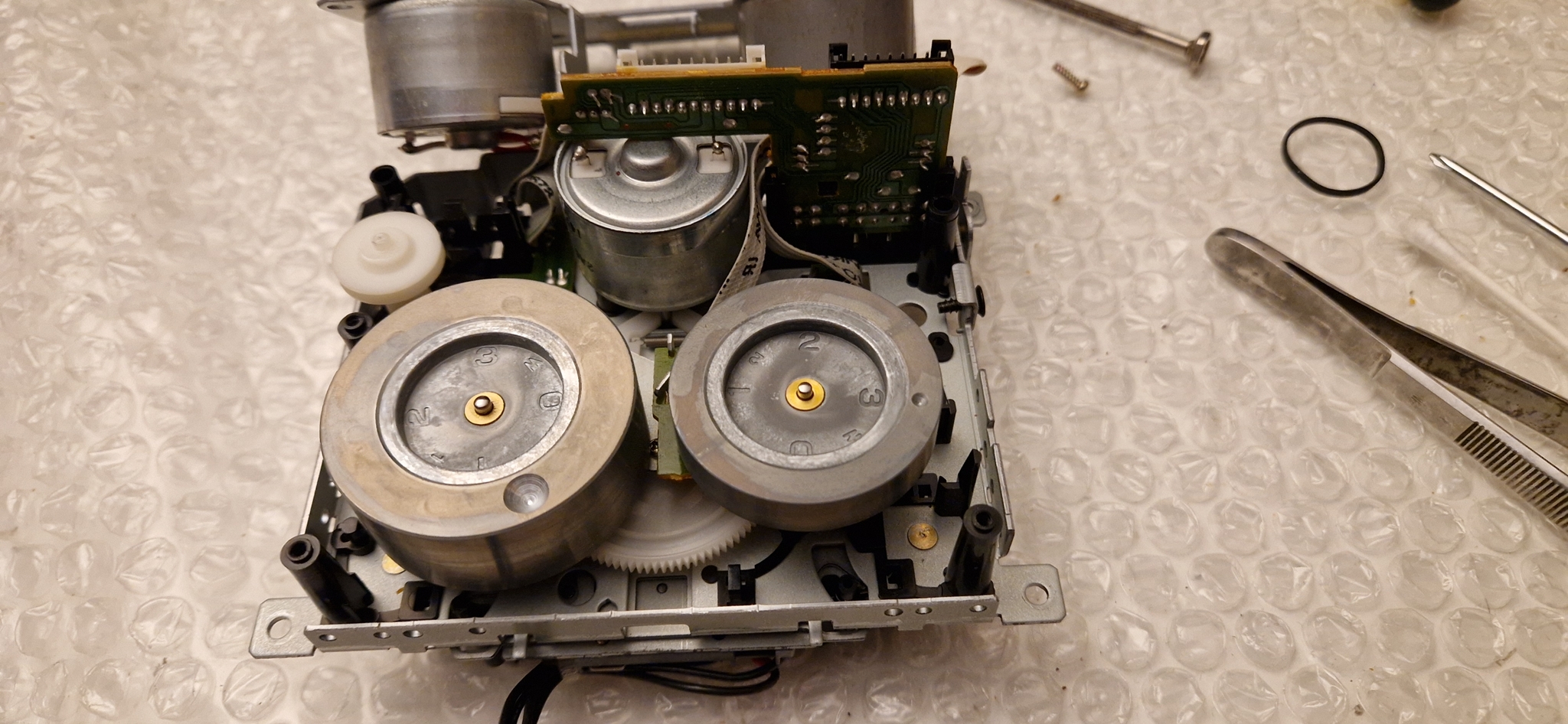
Meanwhile, in the deck’s microcontroller software, a timer loop is running that gives the system a certain amount of time to complete the head-lifting function. When, after that time, it does not receive feedback via the microswitch that the operation is complete, it concludes that there is a problem and returns the heads to the initial position, because the timer loop has run to completion, time has expired, and a software trigger for head retraction has been activated. Had the heads reached their proper position and the microswitch been activated as intended, the central microcontroller would have enabled signal playback from the heads onward, deactivating the mute transistors at the output. But this did not happen, and to the user it looks as if the deck raised the heads for a second, with no sound, and then lowered them again. In reality, it never completed the operation.
A complete cleaning of the bridge and pads requires disassembly of the pinch roller carrier and so on, but it can be resolved well enough using a syringe with a needle filled with fresh grease; after partially cleaning out the old grease, injecting new grease restores normal sliding of the head bridge.
Because of this, this mechanism belongs among the last reasonably good ones that were made, but it is far, far from the mechanisms produced in the 1980s or 1970s.
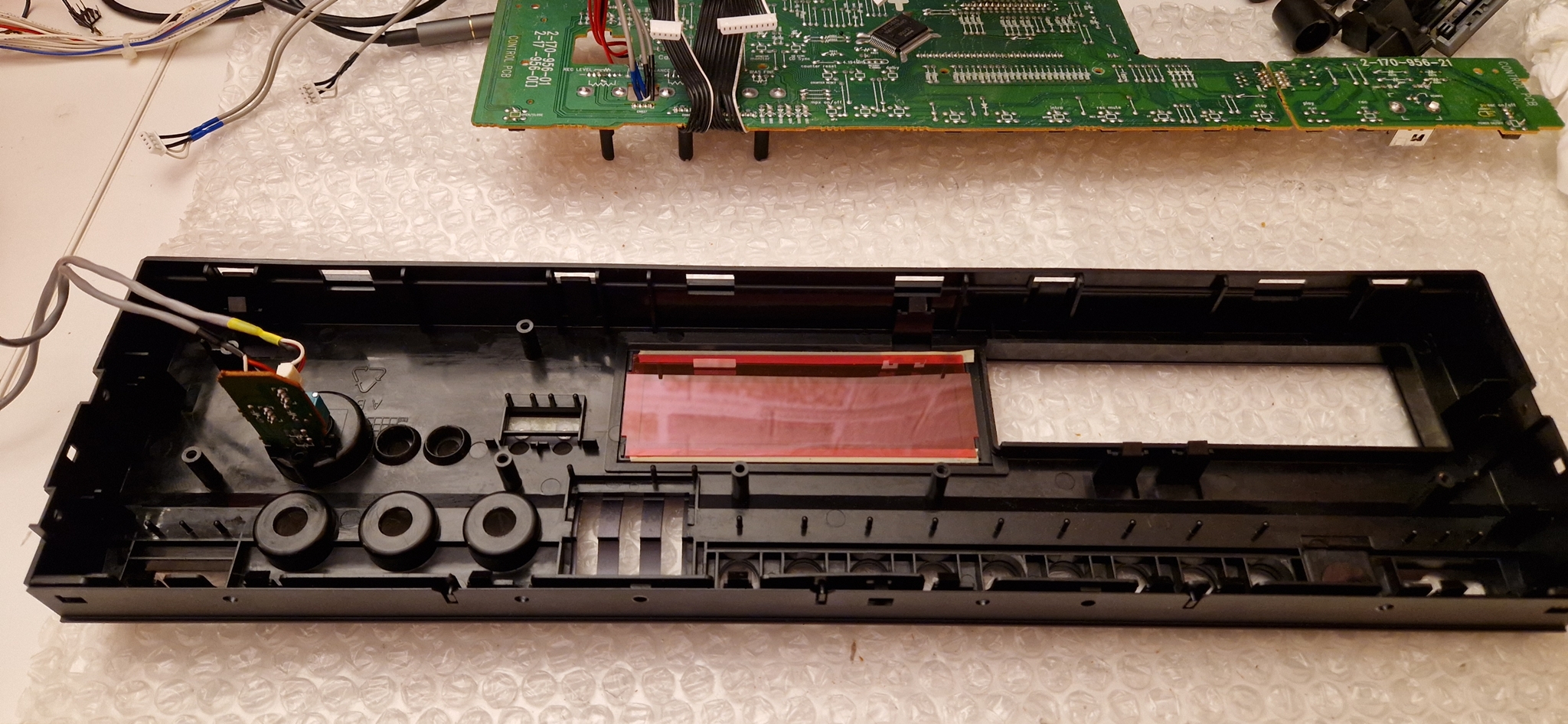
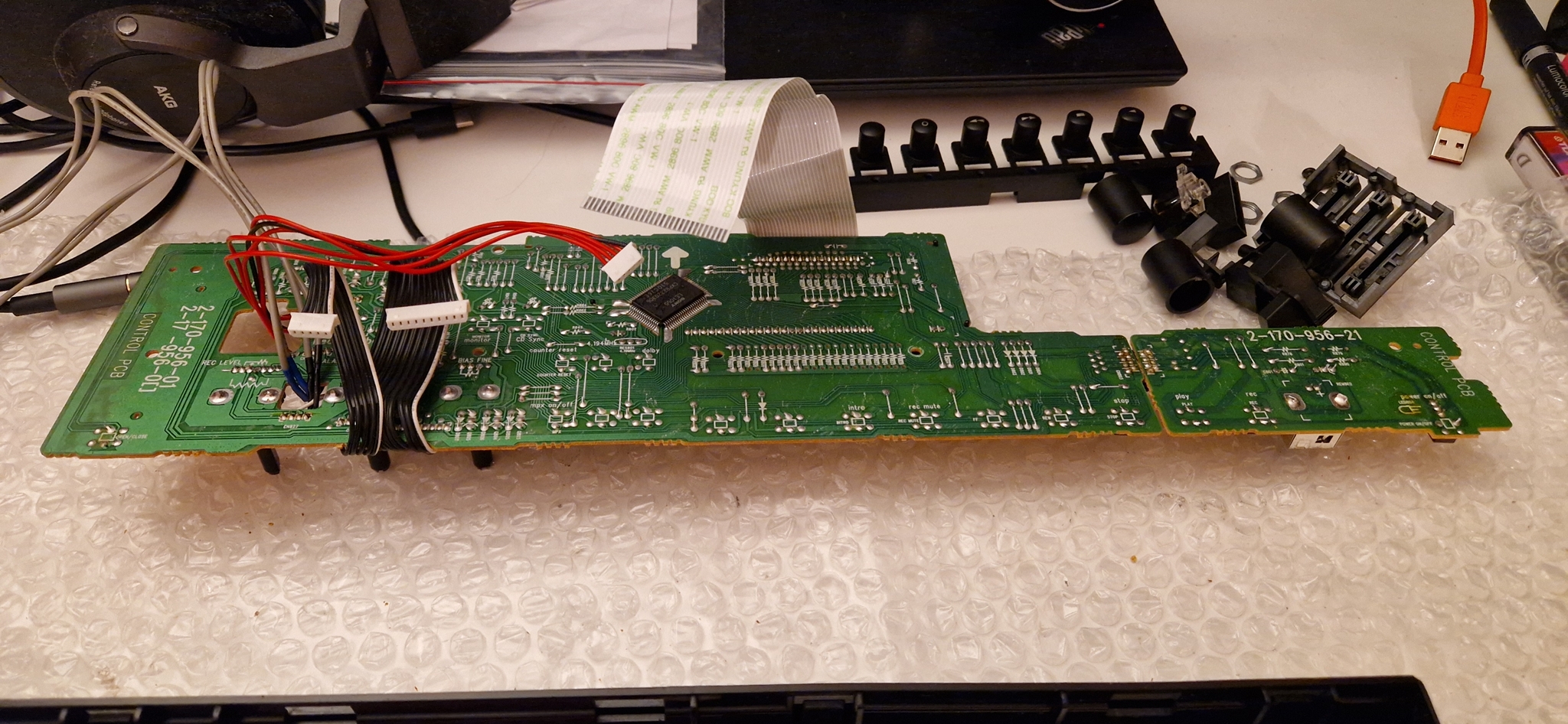
I also disassembled the front panel to deal with dust, lubricate the potentiometers, clean the display, etc.
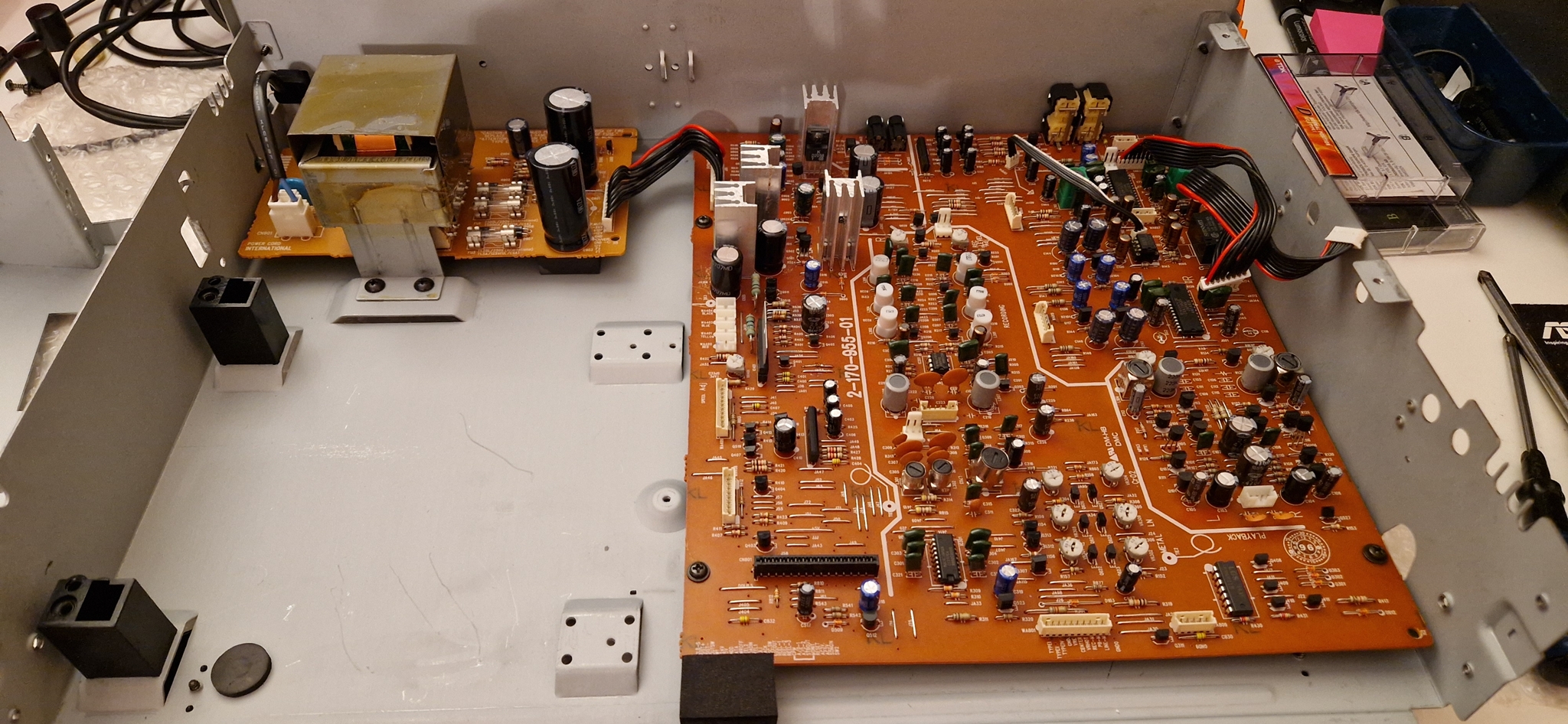
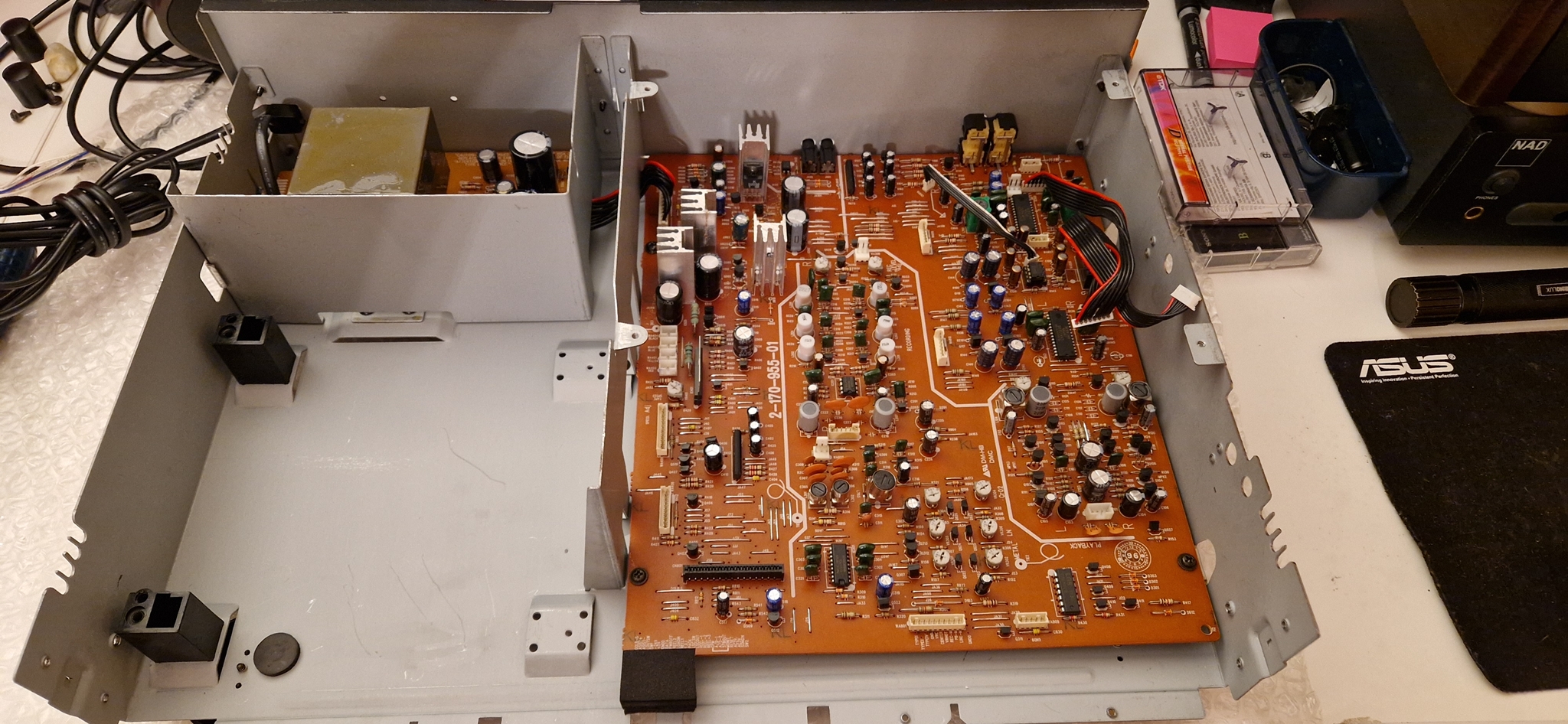
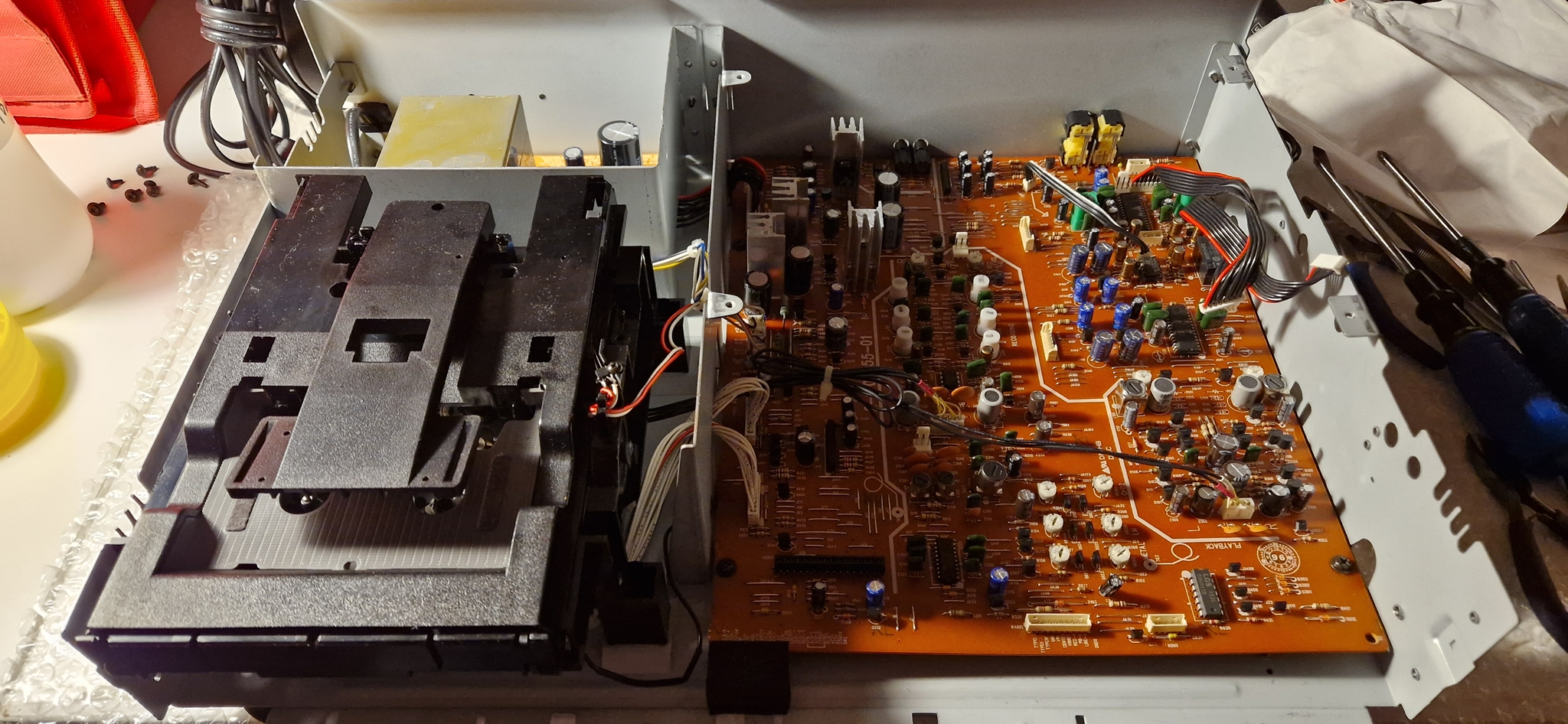
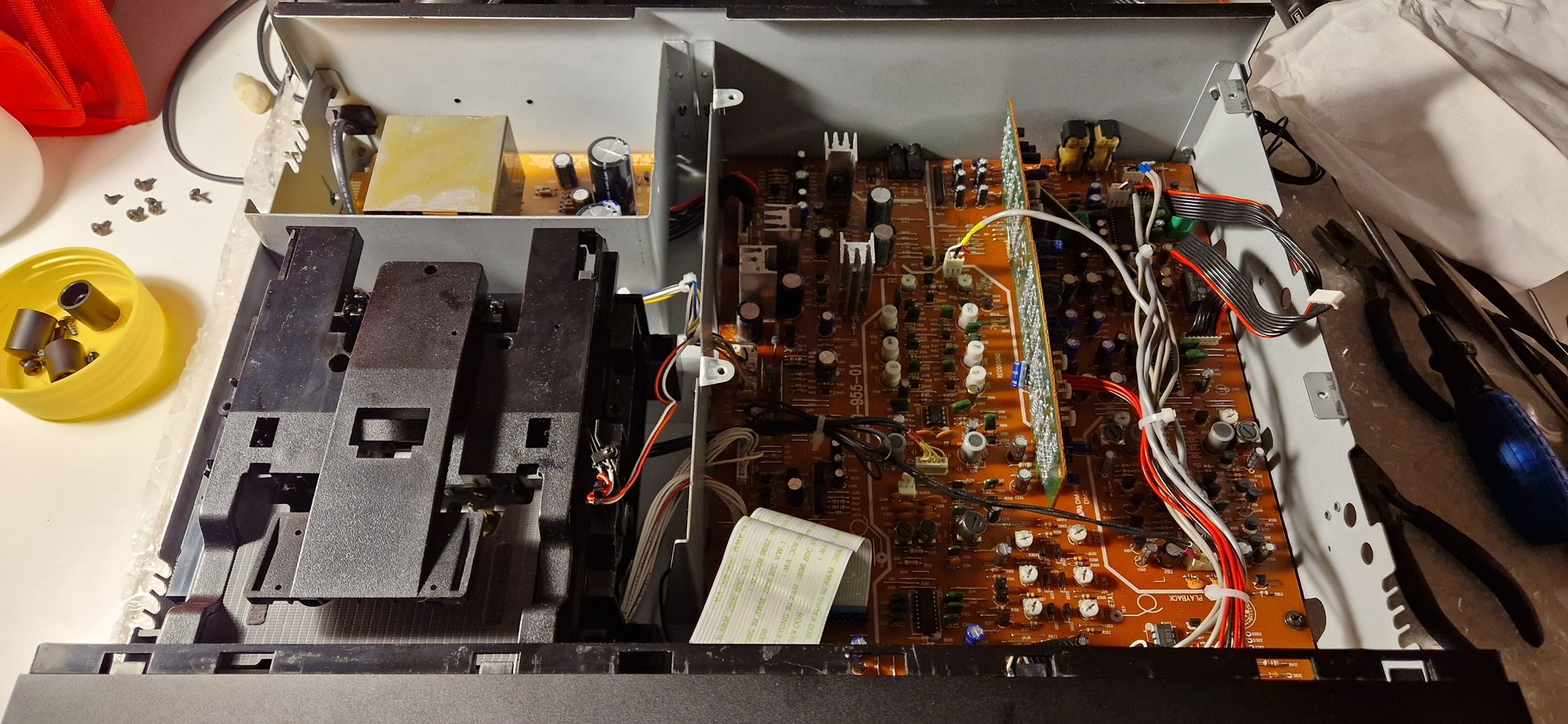
Here is a small retrospective of how I reassembled the deck:
Sound
Harman/Kardon TD470 reproduces other people’s cassettes extremely well and is a very good solution in that respect. However, its own recordings are also excellent when played back on cassette decks from other manufacturers, and this deserves high praise.
When its own recording is played back on the TD470 itself, the result is a stable, clean musical presentation. The OPA2134 slightly softens the deck’s somewhat military approach to sound, in line with the CD Transcription concept. The HX Pro system works very well, and the three-dimensionality of the soundstage is excellent for a cassette deck. I tried a recording from a turntable and was completely satisfied. What stands out is the bass: slightly emphasized compared to the rest of the spectrum, but at the same time lacking full definition—as if it were mildly overinflated. This sometimes happens with decks when power-supply capacitors deteriorate, but in the case of the TD470 this was not the cause; even after replacing the capacitors I did not notice any significant change in sound compared to before.
Over time you can get used to this kind of sound, which has a slight loudness character; in any case it departs from strict neutrality, but with proper matching to the rest of the components, especially the speakers, excellent results can be achieved.
Interestingly, of the three TD470 units I have owned, this last one has the least clinically sterile sound, which I noticed with the previous two and which annoyed me terribly. Of course, the OPA2134 also contributes to that impression. I would like it to have a bit more musicality in its sonic character, in the way that the Harman CD492 does, but for the price it commanded it is excellent, though in my memory it seems slightly below its predecessor, the TD4800, and the TD491.
Conclusion
All in all, the Harman/Kardon TD470 is a very good, even excellent machine. It is rather ascetically laid out, and the ergonomics could be better. The mechanism is among the last decent ones, and the electronics are elaborated in the Harman style. Although not very common, it is not particularly popular because it looks like a CD player rather than a deck, so you cannot enjoy watching the tape reels spin inside the small plastic box called a cassette.
Sonically it is very good, with a bass anomaly that may appeal to many except lovers of strictly neutral sound; it requires careful system matching. The TD470 is an excellent deck for both recording and playback, and the last good machine from this manufacturer.
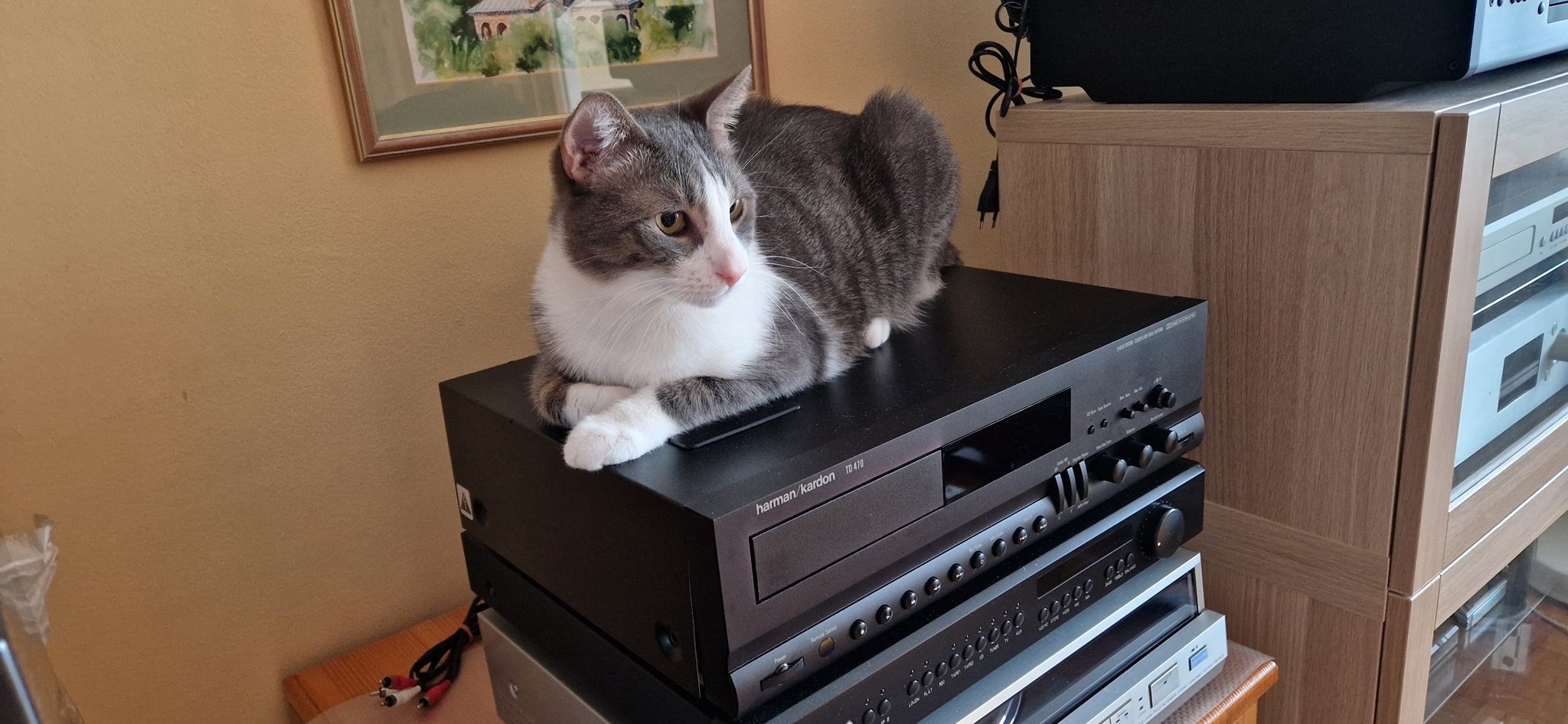
Finally, over the course of several days, it seems that our cat took a real liking to the TD470, repeatedly taking the opportunity to rest on it :).